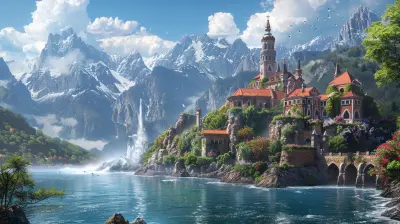
How Environment Design Enhances Mission Depth
12 August 2026
Ever wondered why some game missions feel like an unforgettable adventure, while others seem more like a checklist? It's not just about the story or objectives—it's the world you're exploring that really pulls you in. Yep, we’re talking about environment design and how it beefs up mission depth in games.
Let’s dive into how crafting rich, immersive worlds turns basic missions into layered, emotionally charged journeys. Game designers aren’t just throwing you into a level—they’re building a living, breathing environment that affects how you play, think, and feel.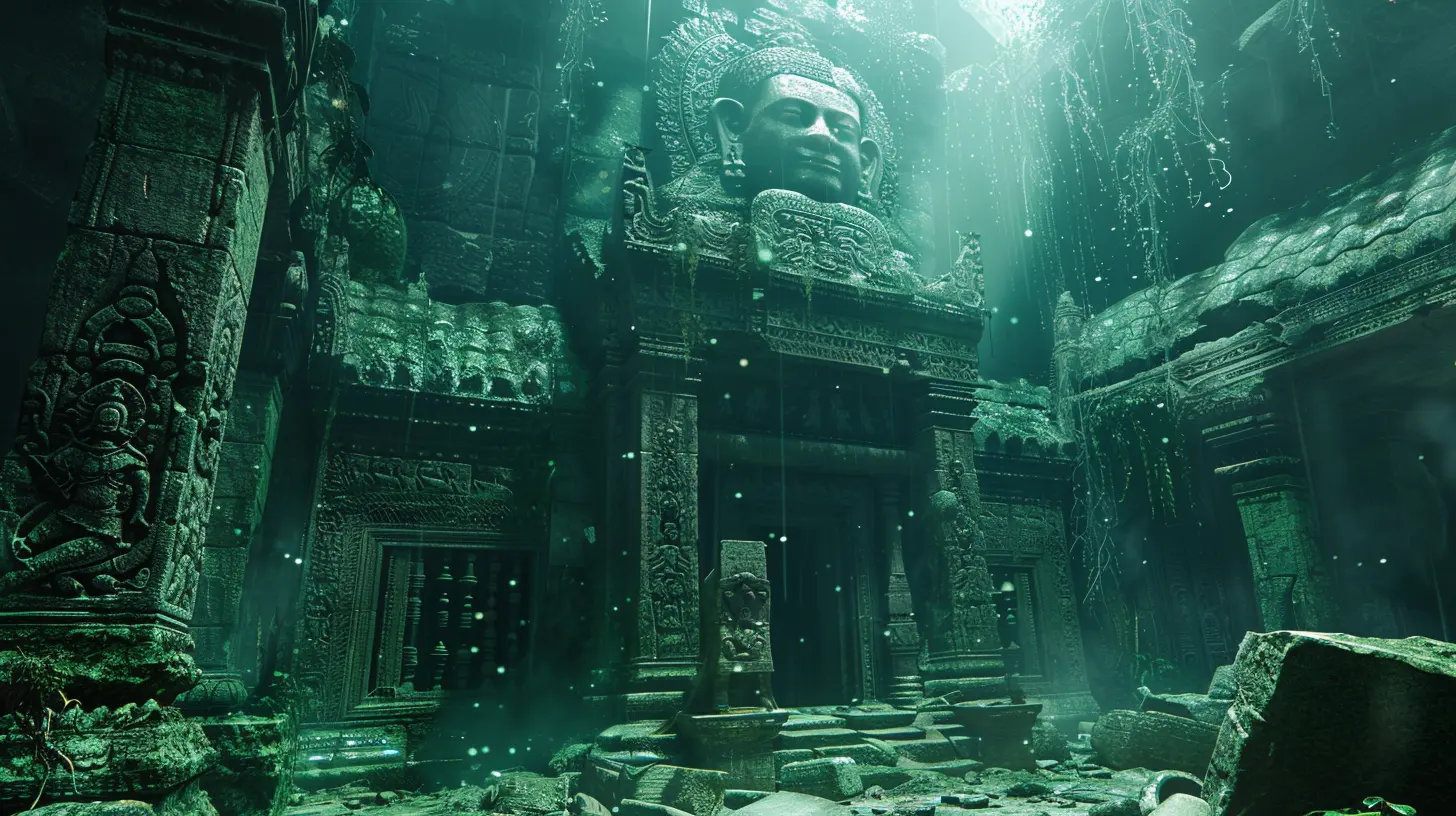
What is Environment Design in Games?
First things first. Environment design is the art and science of creating the worlds gamers explore. It includes everything from the layout of buildings and terrain to the lighting, color palette, atmospheric effects, and background sounds.But here’s the kicker—great environment design doesn’t just look pretty. It tells a story. It sets the mood. It subtly (or not so subtly) guides your decisions. When done right, it makes every mission feel like it matters. Think of it as the silent narrator, always speaking, even when no one’s talking.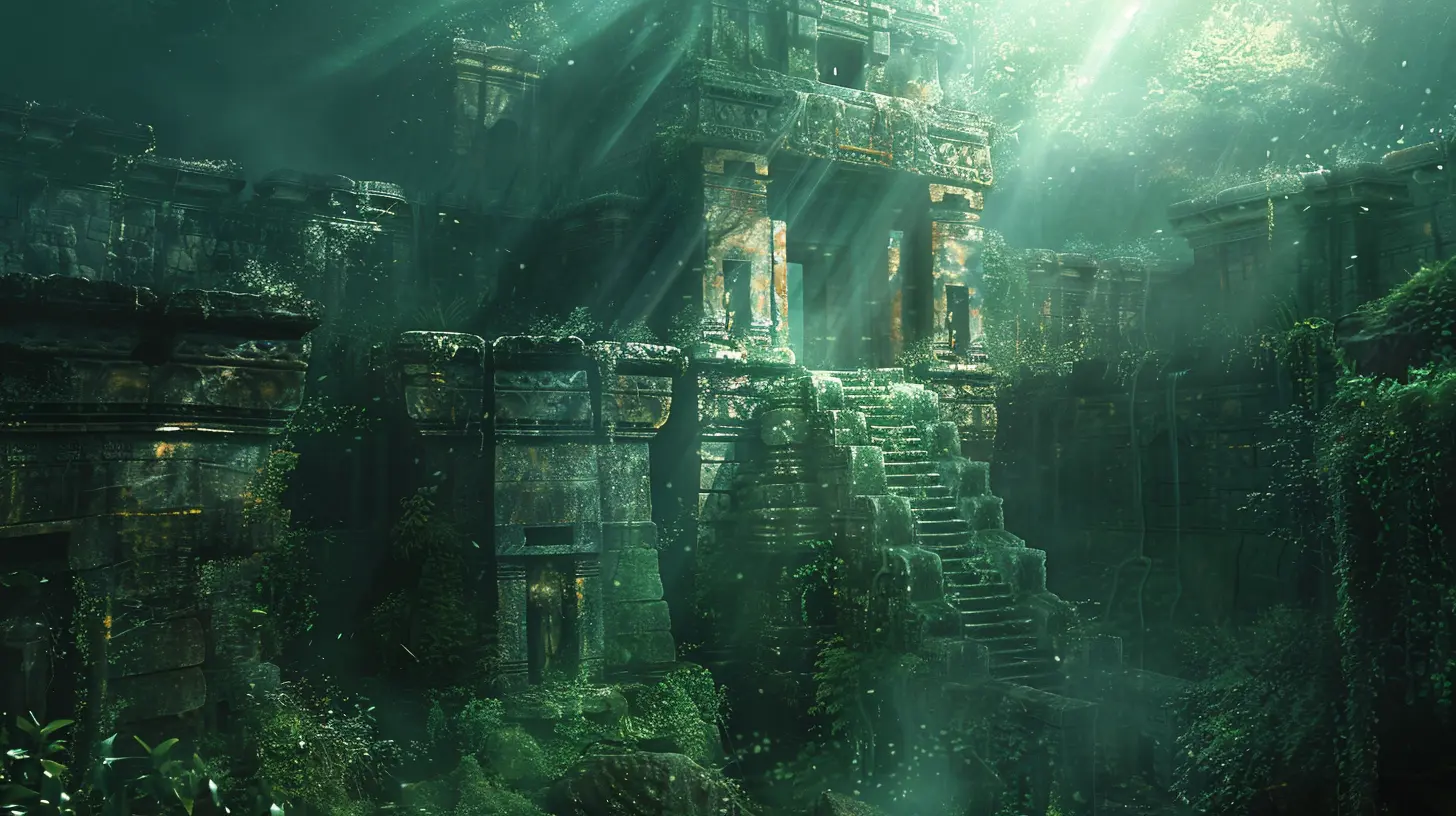
Why Mission Depth Matters
Okay, so what's mission depth? Basically, it’s the emotional and strategic complexity behind a mission. We’re not just running from Point A to Point B. We're making choices, reacting to our surroundings, and piecing together story elements.Depth means we’re invested. It’s the difference between, “Cool, I finished it,” and “Whoa… I need a minute to take that in.” The mission lingers. It impacts how we approach the next challenge. And spoiler: environment design is a huge reason why.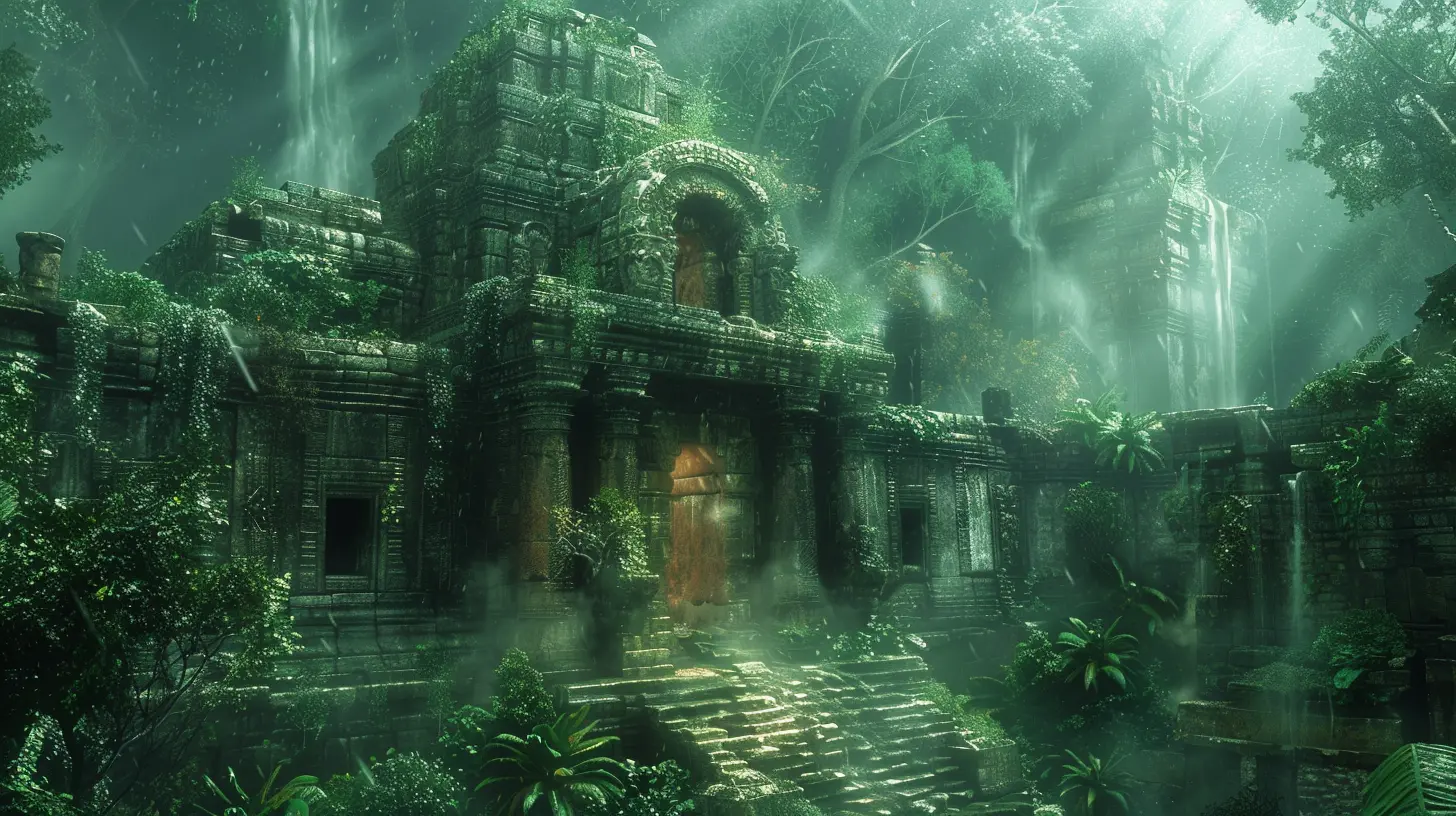
The Power of Setting the Tone
Picture this—you’re creeping through a rain-soaked alley, thunder rumbling overhead, dim lights flickering in windows. Immediately, you’re tense. Alert. Every corner feels dangerous.Now picture the same mission in a bright, cheerful forest full of chirping birds.
Different vibe, right?
That’s deliberate. Environment design sets the emotional tone before you even take your first step. The mood of the space primes your brain and adds emotional weight to your objectives. Designers use lighting, color schemes, weather effects, and soundscapes to mess with your head—in a good way.
Examples in Action
- The Last of Us: Urban ruins, overgrown with nature, scream isolation and desperation. Every mission comes with emotional gravity.- Hitman series: Lavish mansions or crowded marketplaces aren’t just scenic—they change how you strategize. Environment isn’t just a backdrop; it’s your playground for creativity.
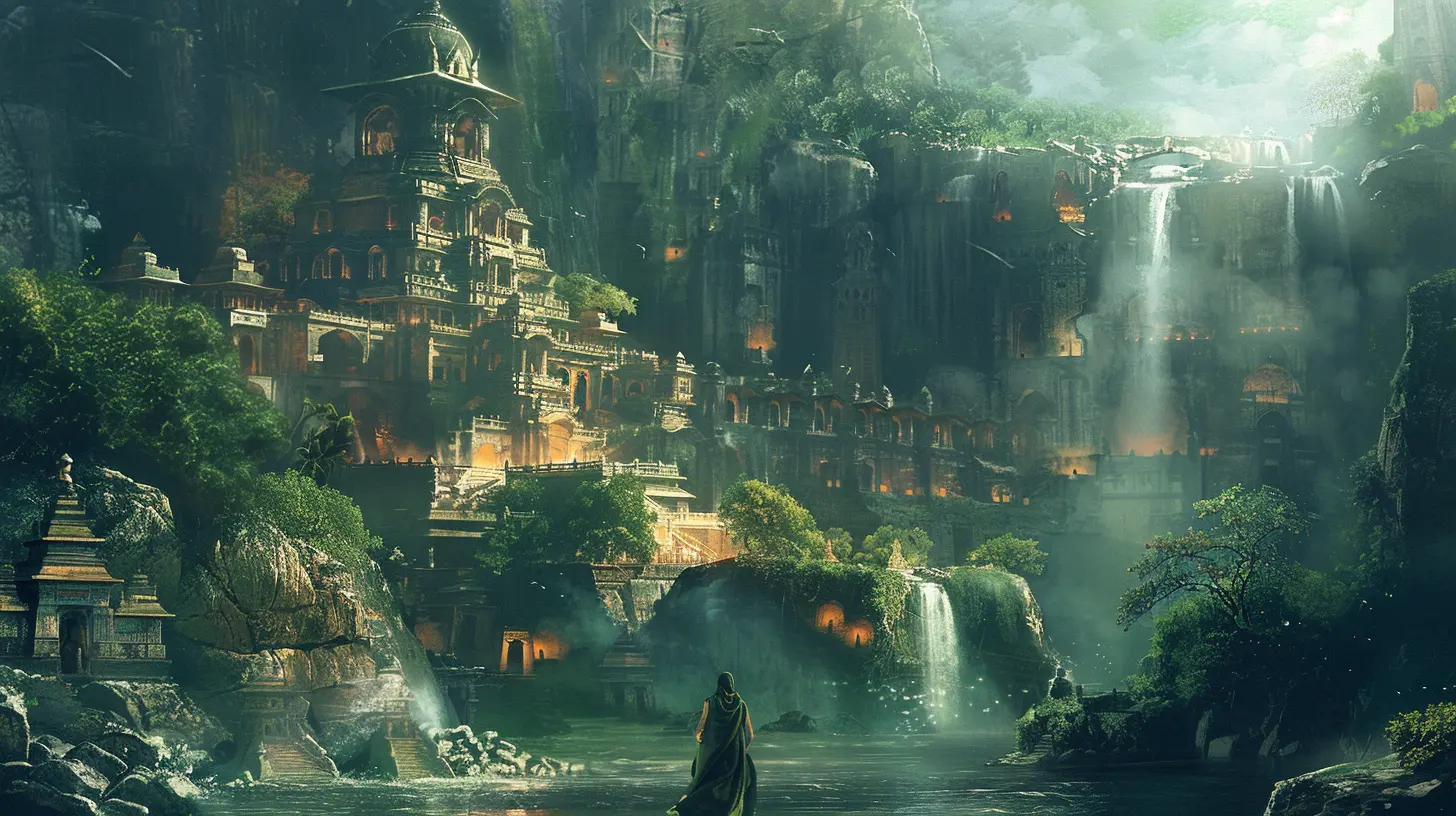
Environmental Storytelling: Show, Don’t Tell
Environmental storytelling is all about dropping clues without saying a single word. Ever notice bloody handprints on a wall or an abandoned backpack next to a diary entry in a game? That’s not decoration. It’s narrative gold.This technique adds layers of meaning to missions. Suddenly, you’re not just infiltrating a base—you’re stepping into the aftermath of a tragedy. Or a mystery. Or a battle that happened before you got there.
Why It Matters
- Encourages exploration- Keeps players guessing
- Adds moral or emotional context to objectives
Players become detectives. They piece together stories from what they see around them. It makes the world feel alive and responsive. And it deepens every step of the mission.
Gameplay Mechanics Intertwined With Environment
Smart design doesn’t just look cool—it has gameplay consequences.Take verticality, for example. A mission set in a towering fortress with multiple layers opens up a ton of strategic options. You can snipe from above, sneak through the basement, or create chaos in the courtyard. Same mission objective, totally different experience based on the environment.
Or think about natural hazards. Swamps slow you down. Snow muffles footsteps. High grass hides you from enemies. The environment becomes part of the challenge.
Environments Shape Your Tactics
- Open-world stealth games like Far Cry or Assassin’s Creed thrive here. You're constantly adapting to your surroundings.- Puzzle-heavy games like Portal or The Talos Principle depend on spatial design to reward critical thinking and exploration.
In short, the environment isn't just a vibe—it's a puzzle piece of the mission itself.
Player Immersion and Believability
Missions feel deeper when players forget they’re playing a game. Sounds weird, right? But that’s the magic of immersion. You lose yourself in the world, and everything else fades out.Great environment design boosts believability. From natural lighting to realistic clutter, the smallest details anchor players in the moment. When done right, you don’t just complete missions—you live them.
Tricks Designers Use
- Diegetic storytelling (info presented inside the game world, like signs or emails)- Consistent world logic (no floating doorways in medieval ruins… unless it’s intentional)
- Ambient sounds that make locations feel alive (Wind howling? Floorboards creaking? Goosebumps.)
Immersion = emotional investment = mission depth.
Environmental Variety Keeps Missions Fresh
Let’s be real—repetition kills games.You could have the best mechanics in the world, but if you’re running through the same-looking compound 50 times, players check out. Environment variety is key to keeping missions engaging from start to finish.
How Variety Enhances Mission Experience
- Forces players to change playstyles- Keeps players visually and mentally stimulated
- Introduces fresh challenges (dark dungeons vs wide-open deserts)
Think about games like Red Dead Redemption 2 or Ghost of Tsushima. You’ve got towns, forests, mountains, swamps, snowy peaks—you name it. Each mission in a new environment feels like a fresh story chapter rather than just “another quest.”
How Environment Design Supports Narrative Arcs
Every mission sits within a broader story arc. And you guessed it—environment design helps carry that arc forward.As the narrative escalates, so does the intensity of your surroundings. Bright, open fields might give way to storm-ridden wastelands the closer you get to a final boss. The world reflects your journey.
Clever Use of Symbolism
Game devs often use the environment to symbolize internal character struggles or themes. For example:- A crumbling city mirroring a hero’s declining mental state.
- A blooming forest representing hope or rebirth after a major plot twist.
It’s storytelling without exposition—and it makes missions feel more meaningful.
Dynamic Environments Offer Choice and Consequence
Want to bump up mission depth by a few notches? Add dynamic environments—worlds that react to your decisions.Burn a village down in one mission? It stays torched in the next. Rescue a group of NPCs? Maybe they show up later to help you out. These changes give players a sense of ownership and responsibility.
Examples that Nail This
- The Witcher 3: Actions during side missions have ripple effects on the main story and world.- Fallout series: Towns, factions, and even the landscape change based on major choices.
Persistent changes make every mission feel weighty—like your actions actually matter.
Final Thoughts: The Unsung Hero of Game Design
So yeah, environment design doesn’t get as much hype as flashy combat or cinematic cutscenes—but it should. It’s the glue holding everything together. It elevates missions from “do this task” to “live this story.”Next time you’re playing a game and find yourself saying, “Wow, that mission was intense,” stop and look around. Chances are, the environment had a lot to do with it.
Whether it’s telling silent stories, shaping your strategies, or just dripping with atmosphere, a well-crafted world doesn’t just support mission depth—it creates it.
all images in this post were generated using AI tools
Category:
Quests And MissionsAuthor:

Lana Johnson