Gaming as Modern Mythology
15 July 2026
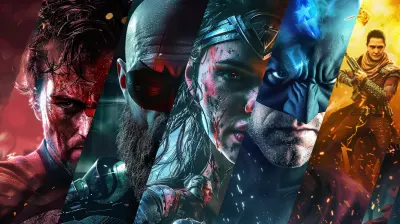
If you’ve ever lost yourself in a game—whether it’s slaying dragons in Skyrim, saving the galaxy in Mass Effect, or navigating the haunting world of The Legend of Zelda—you’ve already taken part in its myth. Yeah, I said myth. Because gaming is far more than a hobby or a way to kill time. It’s quickly becoming the modern world’s most powerful form of mythology.
Sounds wild, right? But hang in there. Once we peel back the pixels and icons, there's something ancient and deeply human beneath the surface. Let's dive into how gaming has taken the torch from Greek gods and legendary heroes, carrying our stories into the digital age.
What Do We Even Mean by “Modern Mythology”?
Before we hop into the game worlds, let’s get our heads around what mythology really is. When you hear the word "myth," your brain probably flashes to Zeus, Thor, or maybe some ancient epic you had to read in high school. But mythology isn’t just old stories. It’s a way people have always made sense of the world—who we are, where we come from, what we’re fighting for.Now, is that really any different from the stories we binge in games? Think about it—epic choices, larger-than-life characters, world-ending stakes. Sounds familiar, right?
Games Aren’t Just Stories—They’re Living, Breathing Myths
In traditional myths, you have your hero’s journey. Games take that and crank it up to eleven. You’re not just reading about the hero—you are the hero. The choices you make, the paths you take, the morality you choose—it’s all in your hands.Let’s take a classic like The Legend of Zelda. Link may not talk, but he represents something universal: courage, sacrifice, and the fight against evil. These aren’t just plot devices, they’re symbols—archetypes that have popped up in stories since humans first started telling them around campfires.
Video Games Are the New Campfires
Think about it: back in the day, people gathered around fires and shared stories. Today? We hop on Discord, Twitch, or just hang out in-game. We still gather—only now, it’s not with smoke and flames, but screens and headsets.Games like Elden Ring or God of War? They’re packed with mythic themes—quests, gods, fallen kingdoms, trials of strength and spirit. They echo the exact same beats our ancestors used in their epic tales. But modern mythology has evolved, and it's being told with code instead of parchment.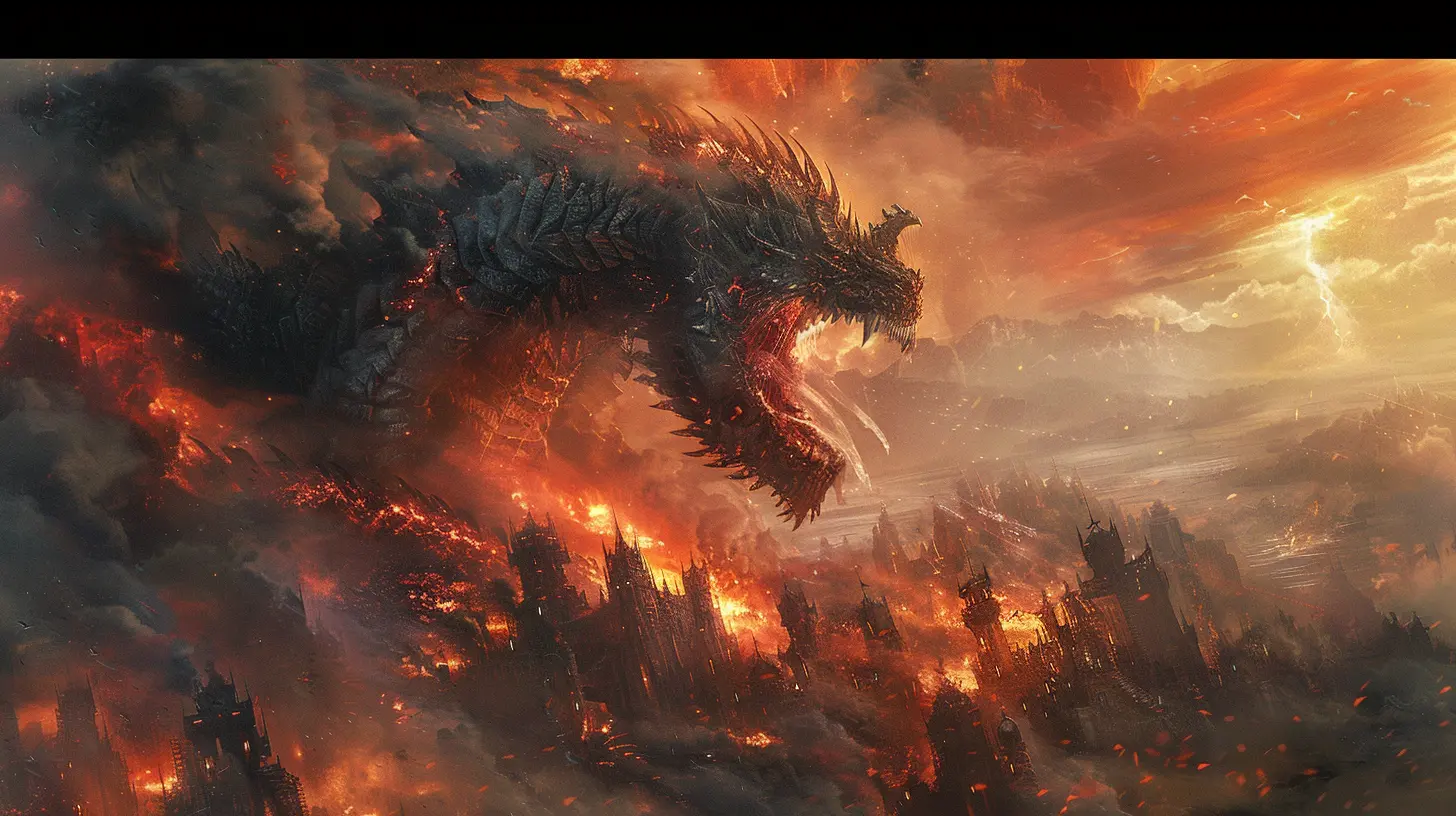
The Hero’s Journey: Respawned for a New Generation
Joseph Campbell’s famous “Hero’s Journey” is like the blueprint for almost every myth and epic ever told. You know the one: a call to adventure, facing challenges, gaining allies, defeating the big baddie, and returning changed.Now look at almost any game—Final Fantasy, Halo, Horizon Zero Dawn—and you’ll see this same pattern. Game stories thrive on the hero’s journey. But the difference is, we’re not just watching the story unfold. We’re actively participating in it.
It’s one thing to read about Frodo carrying the ring. It’s another thing entirely to feel the weight of the world on your shoulders while making impossible decisions in The Witcher 3. That’s immersive mythology, my friend.
Morality, Choices, and the Search for Meaning
Games often force us to make choices—some easy, others gut-wrenching. Remember that heart-punch moment in The Last of Us Part II? Yeah, it stayed with you, didn’t it?Traditional myths helped people wrestle with big questions—what’s right, what’s wrong, who gets saved, and who doesn’t. Games do the same. They often refuse to give us black-and-white answers. Instead, they trust us to navigate the gray areas. That’s not just storytelling anymore—that’s building a new culture of interactive, emotional myth.
Digital Pantheons: Who Are Our New Gods?
Let’s talk about gods. No mythology's complete without a big ol’ pantheon of deities. In games, we don’t pray to Zeus or Odin—we look up to characters like Kratos, Master Chief, Geralt, Lara Croft, and Aloy.They might not be gods in the traditional sense, but they function like them. They’re larger-than-life, they’re flawed, they’re symbolic. We cosplay as them, buy merch with their faces, follow their stories across franchises. That’s a digital-age pantheon if I've ever seen one.
And the cool part? These gods evolve. They’re not set in stone. They respond to how we play, what we choose, how we interpret them. That’s something you don’t see in stone tablets.
Myth-Making in Real Time
Here’s where things get next-level: in online games like World of Warcraft, Destiny 2, or Fortnite, myths are being made in real time. Remember those huge in-game events where the world literally changes before your eyes? That’s not just a patch update. That’s cultural storytelling in motion.And you know what? We’re not just consuming those stories—we’re shaping them. Every raid, every decision, every PvP battle becomes part of a shared legend. It’s modern mythology, co-authored by millions.
Gaming Communities: The Keepers of New Lore
In ancient times, societies had storytellers, poets, and shamans to keep the myths alive. Today, we’ve got Reddit threads, YouTube lore channels, fan fiction writers, and modders. These are our modern mythkeepers, and they’re doing important cultural work—digging deep into stories, expanding them, reinterpreting them, keeping them alive.Games like Dark Souls thrive on this. The lore isn't handed to you; you’ve got to piece it together like a jigsaw puzzle made of dragon bones and broken swords. And the community? They love every second of it. They become the translators of the myth, passing down knowledge and theories like sacred scrolls.
Indie Games: Small Studios, Big Myths
Let’s not ignore the indie scene. Some of the most moving, mythic stories come from the smallest teams. Games like Hades, Journey, Spiritfarer, and Celeste hit emotional chords that rival anything Homer came up with.These games deal with death, rebirth, grief, identity, and resilience—all wrapped in beautiful, playable metaphors. They show us that you don’t need a massive studio to speak to the soul. Just the right story, told with heart.
Why This All Matters
So why should we care that gaming is the new mythology?Because myths shape how we see ourselves and each other. They define values, foster empathy, and offer a sense of meaning in a chaotic world. When we play games, we’re not escaping life—we’re engaging with it in a deeper way.
Gaming isn’t just the future of entertainment. It’s the present of storytelling and the beating heart of a new cultural movement. One where everyone is invited to be a hero.
Wrapping It Up: Your Quest Awaits
If you’ve ever cried at the ending of a game, felt your pulse race during a boss battle, or shared inside jokes with your guildmates—you’re already part of this myth. You’re living it.So the next time someone says games are just games, you can smile and know the truth: we’re living in a golden age of modern mythology, and the controller? That’s your sword.
Power up, adventurer. Your story is only just beginning.
all images in this post were generated using AI tools
Category:
Game CultureAuthor:

Lana Johnson