Facial Rigging Techniques and Their Importance in Realistic Performance
3 December 2025
Ever wondered how animated characters can express emotions so vividly that you feel like they’re alive? No, it’s not just magic, although it does feel that way sometimes. The secret sauce lies in a process called facial rigging—a crucial part of 3D animation and game development. It’s a cornerstone of creating believable, engaging characters that can laugh, cry, or smirk just like humans.
If you’re eager to dive deeper, let’s break it down step by step. By the end of this article, you’ll know what facial rigging techniques are, why they’re so important in achieving realistic performances, and how they’ve revolutionized modern gaming. Still with me? Awesome. Let’s dig in. 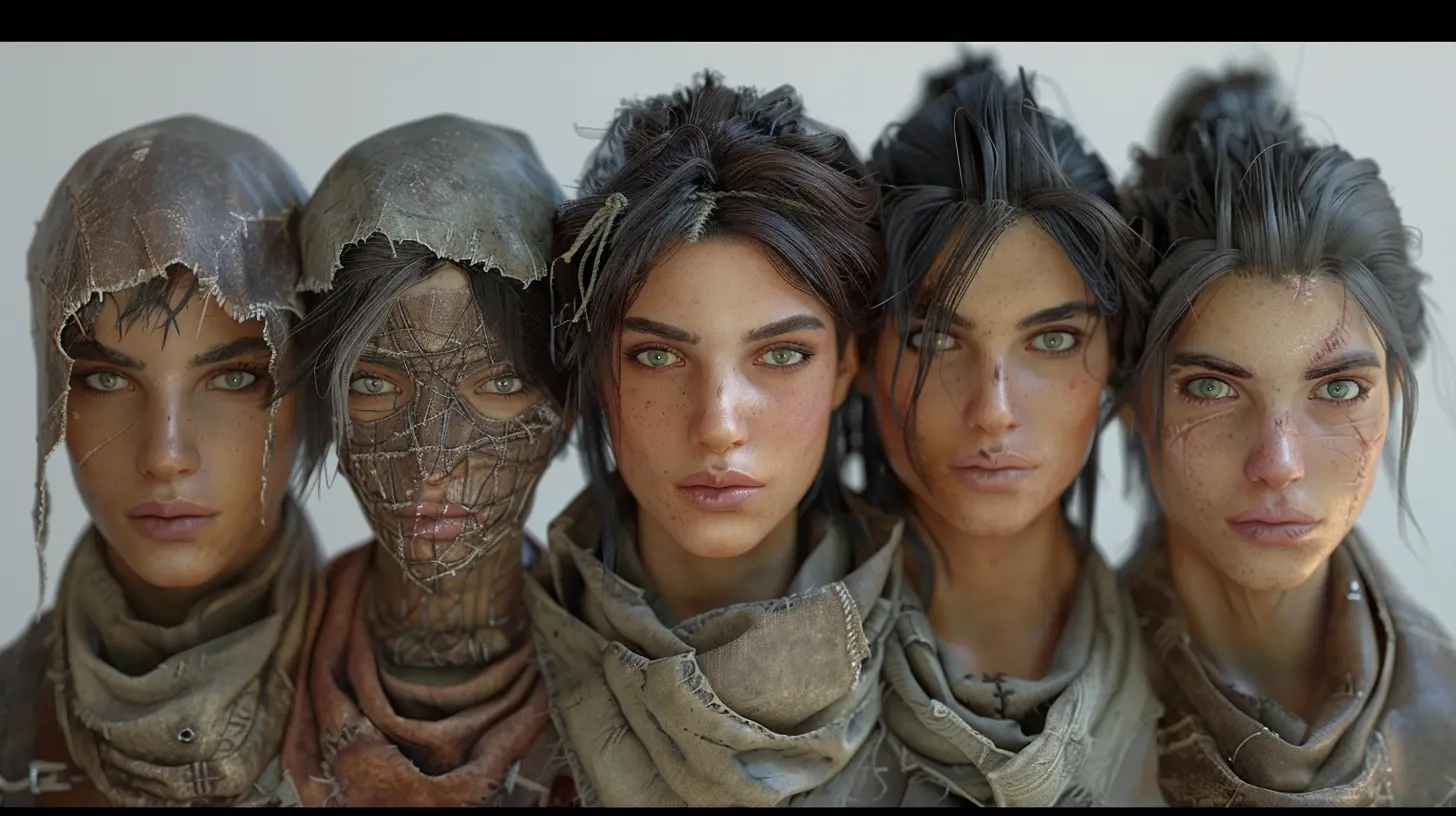
What Is Facial Rigging?
Okay, before we geek out about the techniques themselves, let’s get on the same page about what facial rigging even is. In simple terms, rigging is like building a skeleton for a 3D model so it can move. For facial rigging, we’re focusing on the face (obviously). It’s the process of creating a digital “rig” that animators use to control a character's facial expressions.Think of it as the strings on a puppet. The more strings you have, the more detailed and lifelike the movements can be. But instead of physical strings, animators use a collection of bones, controllers, and deformers in their software to manipulate the face.
Here’s the kicker: It takes a mix of technical skill and artistic finesse to rig a face that looks and feels natural. A poorly rigged face? It’s like a wooden mannequin trying to smile—lifeless and a little creepy. 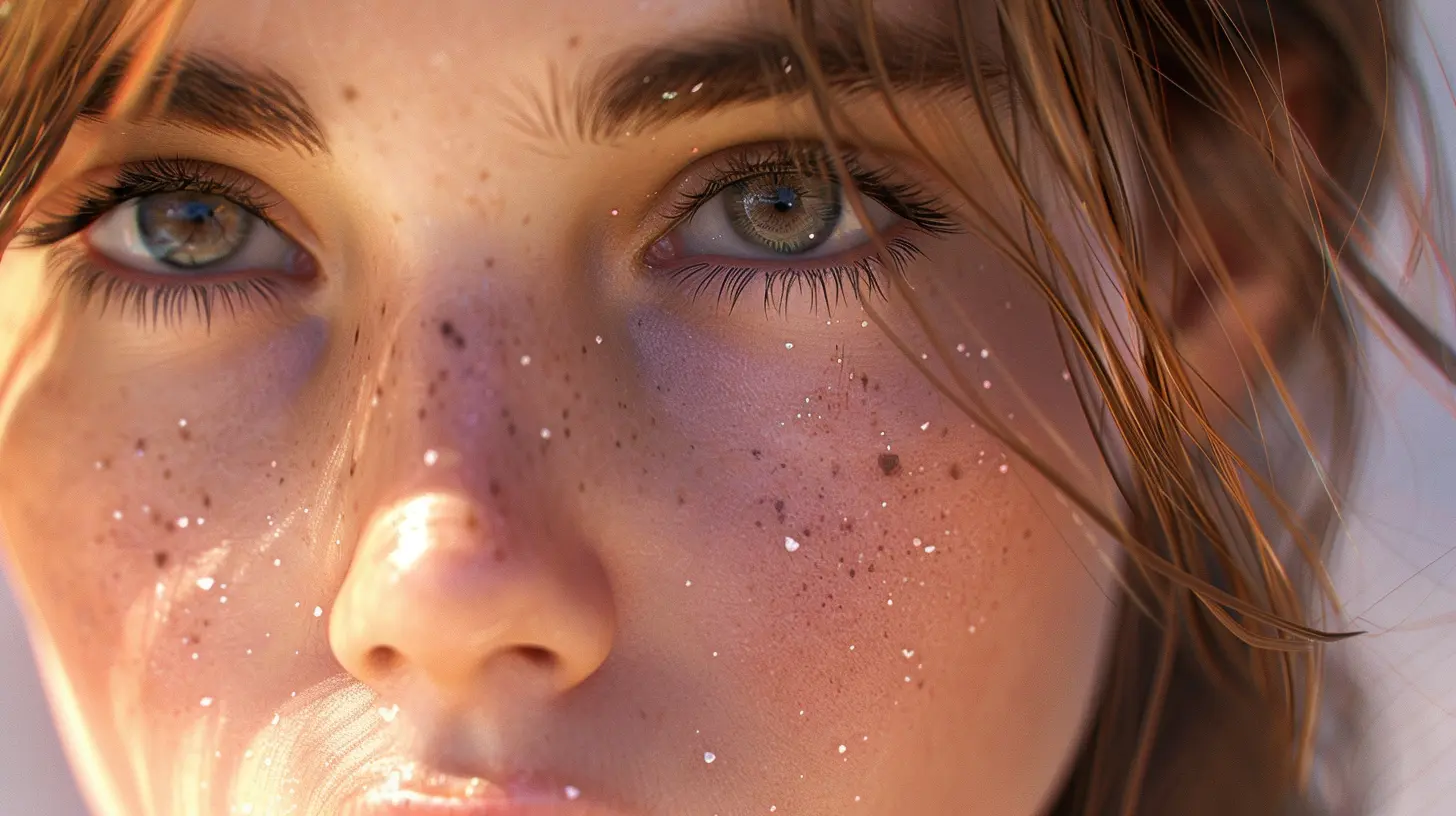
Why Is Facial Rigging So Important?
Ever seen a video game character with dead eyes or a stiff smile? Yeah, me too. It’s the kind of thing that pulls you right out of the story. Animation is all about immersion, and tiny details like the way a character raises their eyebrows or curls their lips can mean the difference between believable and laughably bad.Facial rigging is the backbone of realistic performance, especially in the gaming world. Remember titles like The Last of Us or Red Dead Redemption 2? Their cinematic storytelling hits hard because the characters feel real. And a big chunk of that realism comes down to precise, high-quality facial rigging.
Characters are more than just avatars. They’re storytellers. A raised eyebrow can convey skepticism, while a subtle smirk sells sarcasm. And gamers notice these things, even if it’s subconscious. When a character emotes authentically, it creates a connection. And isn’t that what games are all about? 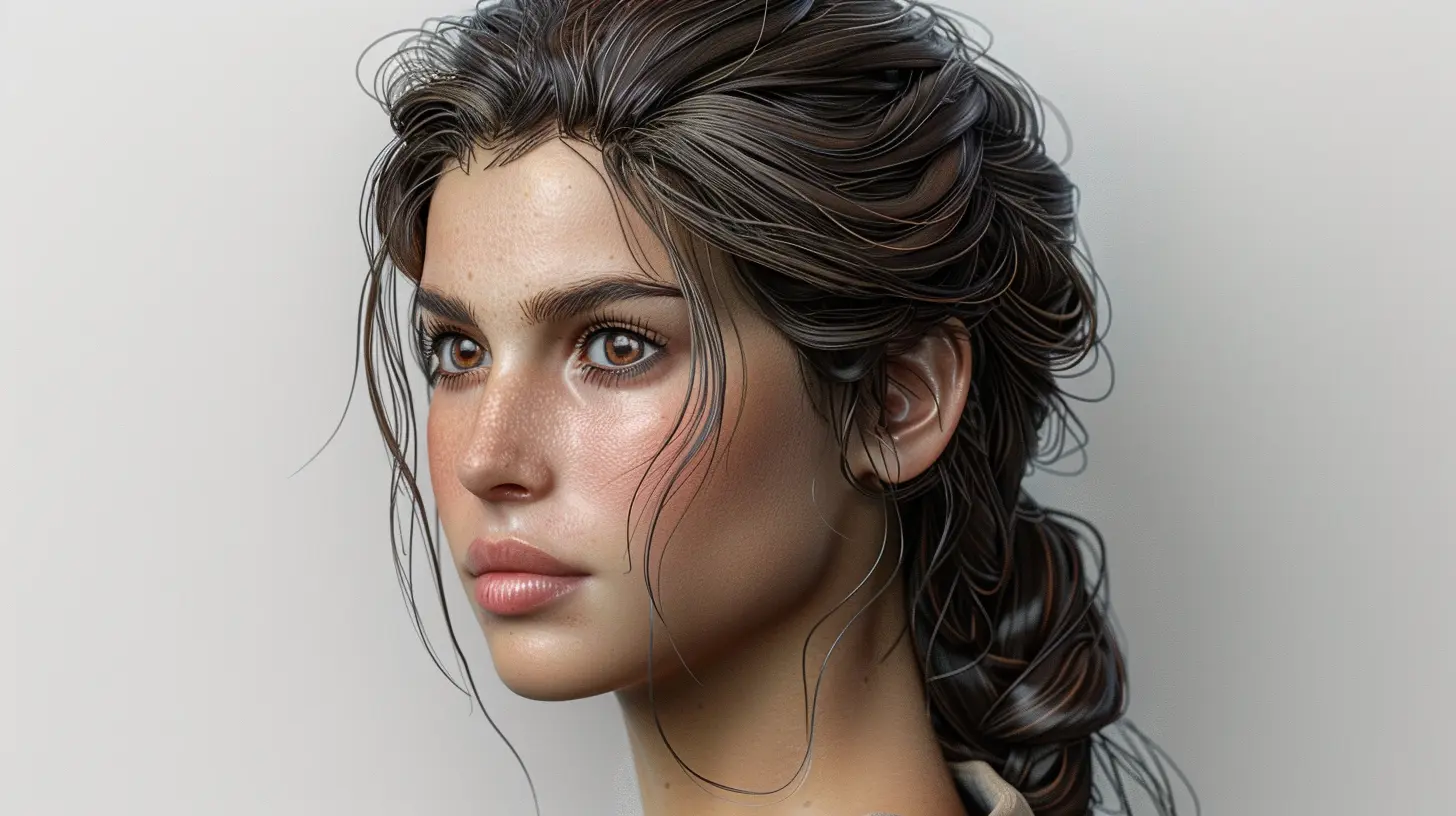
The Core Techniques in Facial Rigging
Alright, let’s roll up our sleeves and dive into the nitty-gritty. Facial rigging involves several important techniques, and each one plays a unique role in achieving realistic facial expressions.1. Bone-Based Rigging
Think of bone-based rigging like the foundation of a building. It’s one of the oldest and most straightforward methods. Here’s how it works: animators create “bones” (essentially digital joints) for different parts of the face, like the jaw, eyebrows, and cheeks.These bones act as pivots that can be rotated or moved to animate the face. It’s a simple system but can be limiting for complex expressions. Imagine trying to mimic a gentle smirk using just a couple of rigid bones—it’s tricky.
Pros:
- Easy to set up- Low computational cost (ideal for simpler games)
Cons:
- Limited flexibility- Can look robotic without fine-tuning
2. Blendshape Rigging
If bone-based rigging is the foundation, blendshape rigging is the finesse. This technique uses pre-modeled facial expressions or “shapes” that animators blend together to create smooth transitions.For instance, if you want a character to transition from a neutral face to a smile, you’d have a blendshape for the neutral state and another for the smile. Animators simply adjust sliders to “blend” between these shapes. Cool, huh?
Pros:
- Excellent for detailed, subtle expressions- Easy to combine expressions (like smiling and raising an eyebrow)
Cons:
- Can be resource-heavy- Requires a lot of prebuilt shapes
3. Facial Controllers
Controllers are like the knobs and sliders on a mixing board that give animators precise control over every aspect of a face. These can be attached to bones, blendshapes, or both. They allow animators to directly tweak specific facial features, like narrowing the eyes or scrunching the nose.With facial controllers, animators can customize and fine-tune expressions down to the tiniest details. It’s like having a remote control for emotions.
4. Joint-Based Rigging
A more advanced form of bone-based rigging, joint-based rigging incorporates a network of interconnected joints for enhanced flexibility. Think of it as upgrading from a flip phone to a smartphone.Joints are set up to control specific areas of the face, like the lips or eyelids, and can be weighted to influence nearby areas. This technique is often combined with blendshapes for maximum control.
5. Dynamic Wrinkle Systems
We’re getting into the fancy stuff now. Dynamic wrinkle systems are like the cherry on top of the realism sundae. These systems generate wrinkles and skin folds in response to facial movements, just like in the real world.Ever noticed how your forehead wrinkles when you raise your eyebrows? That’s what this technique mimics. Games like Uncharted 4 have set a gold standard with this feature.
6. Facial Motion Capture (Mocap)
You’ve probably seen behind-the-scenes footage of actors wearing those funky headsets with dots painted on their faces. That’s facial motion capture!Mocap records real-life facial movements and translates them into 3D animation. It’s like having the actor’s actual performance embedded into the digital character. This technique delivers incredibly lifelike results when paired with high-quality facial rigs. 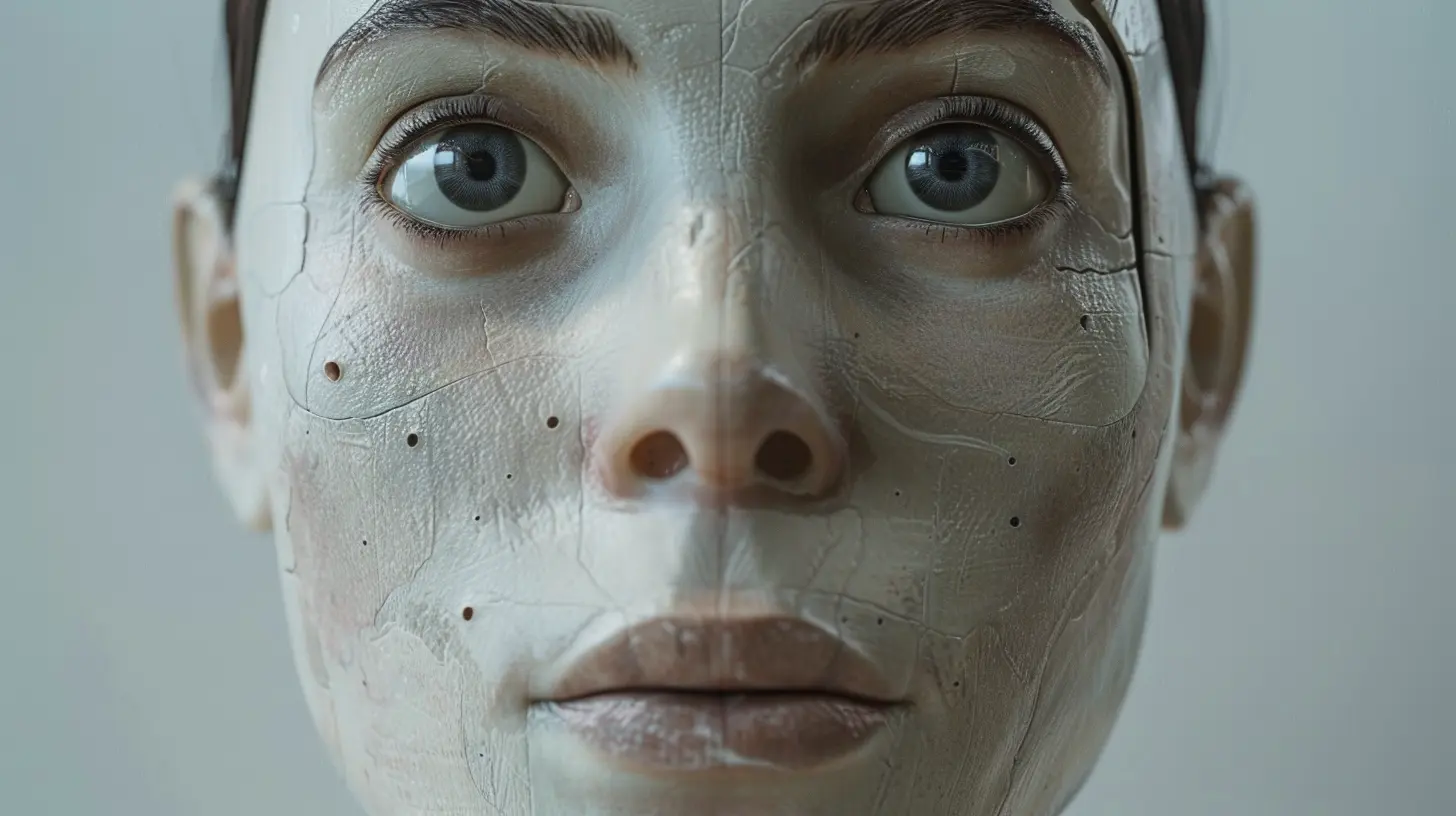
Challenges in Facial Rigging
Facial rigging isn’t all sunshine and rainbows. Creating a realistic rig is a massive technical challenge. First off, human faces are insanely complex. We’ve got over 40 muscles controlling our expressions, and replicating that digitally is no small feat.Another challenge? Balancing realism with performance. Games, unlike pre-rendered movies, need to run in real-time. That puts pressure on developers to optimize rigs so they don’t bog down the game engine.
Why It Matters More Than Ever
Here’s the thing—video games aren’t just games anymore. They’re storytelling powerhouses. Players are expecting cinematic experiences, and facial rigging is what turns characters into believable, relatable heroes and villains.As virtual reality (VR) and augmented reality (AR) continue to grow, facial rigging’s importance will only increase. Imagine a VR game where a character looks you in the eye, smiles, and it feels… real. That’s the future we’re heading toward.
Conclusion
Facial rigging might not be the flashiest part of game development, but boy, is it essential. It’s the unsung hero behind the emotional resonance of our favorite characters. From the simplest bone-based rigs to advanced mocap integration, rigging is what breathes life into digital faces.And the best part? The field is constantly evolving. As technology improves, the gap between real and digital faces continues to shrink. Pretty soon, we might not be able to tell the difference. How wild is that?
all images in this post were generated using AI tools
Category:
Realism In GamesAuthor:

Lana Johnson
Discussion
rate this article
2 comments
Peterson
Great article! The exploration of facial rigging techniques is crucial for enhancing realistic performances in gaming. It's fascinating to see how these advancements contribute to character depth and emotional engagement. Looking forward to seeing more on this topic!
December 4, 2025 at 6:03 AM
Lana Johnson
Thank you for your kind words! I’m glad you found the exploration of facial rigging techniques insightful. Stay tuned for more updates on this exciting topic!
Darrow O'Neal
Great insights! Facial rigging truly enhances the depth of character performances, making animations feel more authentic and emotionally engaging. Keep up the excellent work!
December 3, 2025 at 4:21 AM
Lana Johnson
Thank you! I'm glad you found the insights valuable. Facial rigging is indeed crucial for conveying authentic emotions in animation.