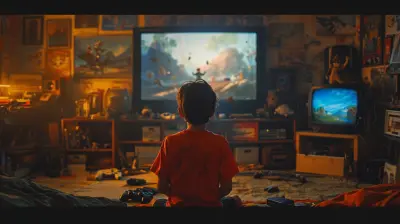
Exploring the Psychology Behind Game Addiction
21 February 2026
Let’s be real for a hot minute—you clicked on this because either you (or someone you know) just can’t put the controller down. Whether it’s endless nights chasing victory royales or that “just one more mission” mentality, game addiction is a real thing. And no, it’s not just about wasting time on imaginary dragons or building that perfect Minecraft mansion (though, props if it has a working redstone door).
In this deep dive, we’re gonna put on our Sherlock caps and take a peek behind the curtains of our brain to see what makes video games so freakin' addictive. Spoiler alert: it’s not magic—just psychology doing its thing.

What Is Game Addiction, Anyway?
Game addiction, or more formally, “Gaming Disorder” (thanks, World Health Organization), is when you can’t stop gaming even when it messes with your life. We’re talking skipping classes, ghosting friends, and calling off work because you’re grinding for a legendary drop. Sound familiar?Now, gaming for fun isn’t the issue. We all need to unwind. But when it turns into a compulsive habit that makes your dog look at you like, “Dude, go outside,” then we’ve got a problem.

Why Are Games So Dang Addictive?
Games are purposely designed to trap your brain in a never-ending loop of “Ooooh, shiny things!” But what exactly is going on in your noggin?Dopamine: The Feel-Good Chemical
Let’s talk brain candy—dopamine. It’s the same chemical that activates when you eat pizza, fall in love, or find $20 in your old jeans. When you play games and accomplish even the smallest task—like collecting coins or leveling up—your brain gives you a gold star. It rewards you with a hit of dopamine, and boom, you feel awesome. So naturally, your brain goes, “Let’s do that again!”Over time, you start craving that feel-good rush. It’s kind of like your brain’s version of asking for dessert after every meal. Not exactly healthy, but oh-so-satisfying.
Variable Rewards: The Slot Machine Effect
Ever played a loot-based RPG or opened packs in FIFA? You know when you finally get that rare item and your soul literally leaves your body from joy? Yeah, that’s variable reward schedules in action.This is also how slot machines work. You don’t know what you’re gonna get, but you keep trying because the possibility of hitting the jackpot is just too tempting. Games do the same thing with random loot drops, daily rewards, and progression systems.
It's like opening a vending machine and not knowing if you’re getting chips or a golden ticket to Willy Wonka’s factory.
Escape from Reality: Bye-Bye, Real World
Let’s face it—life can be rough. Bills, responsibilities, awkward social situations involving salad forks—it gets overwhelming. Games offer an escape. In the gaming world, you’re the hero, the mastermind, the savior of kingdoms.You can fail math class but still get praised for being a Level 70 Necromancer with a flaming sword of truth. Kind of hard to compete with that, right?
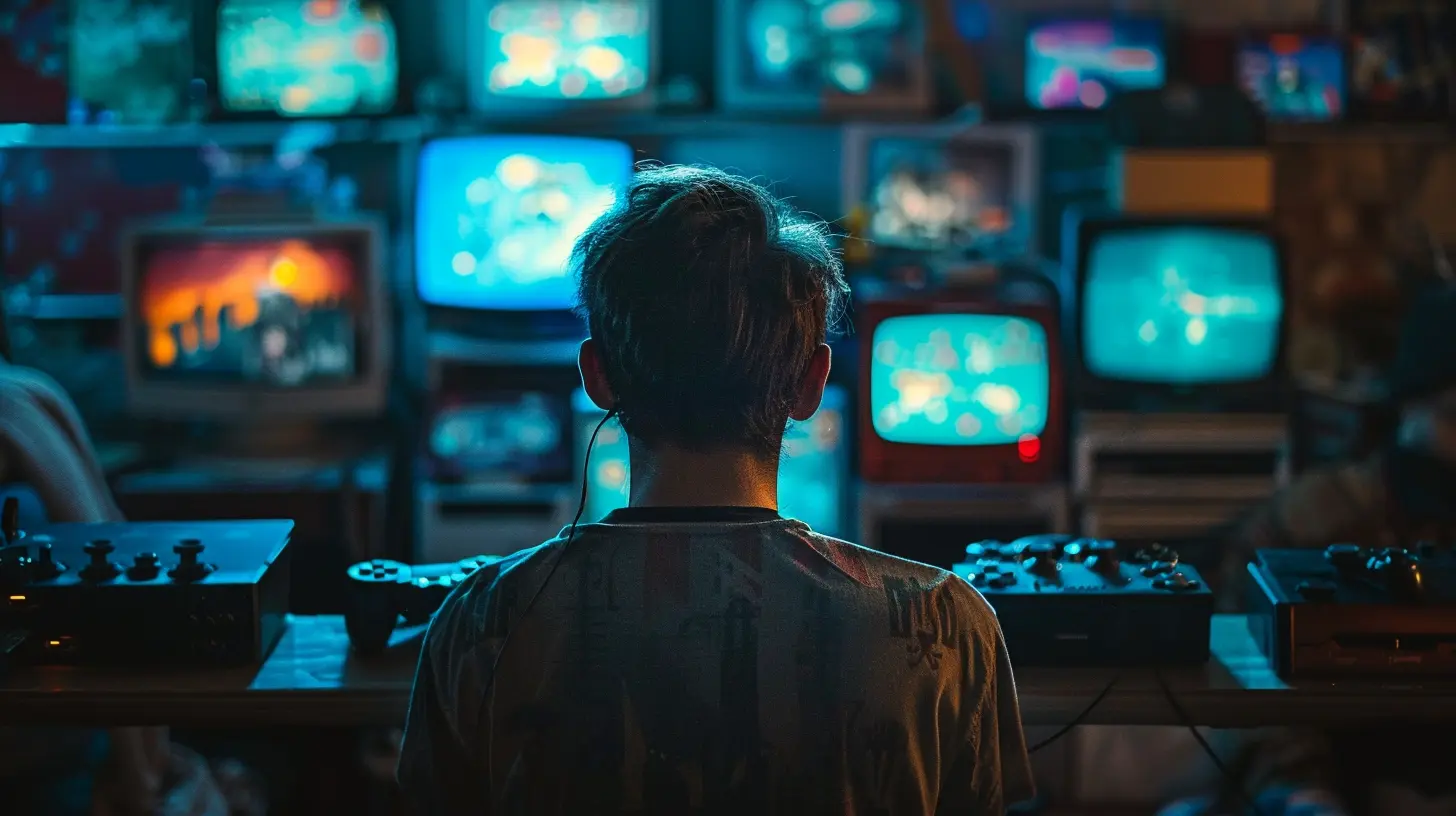
The Role of Game Design in Addiction
Now, buckle up because we’re entering the realm of game dev strategies—the sneaky little tactics that keep us locked in like raccoons to a trash can.Progression Systems: The Level-Up Addiction
Games bank heavily on our love for progress. You start at Level 1, destroy some goblins, boom—you’re Level 2. Each level gives you more power, cooler gear, and bragging rights.This sense of growth is super satisfying and mimics real-life achievements, minus the whole effort and time thing. It’s like getting promoted at work, but instead of writing reports, you just slay dragons.
Social Interactions: Friends, Clans, and Peer Pressure
Multiplayer games are social playgrounds. You’re not just gaming—you’re bonding. Whether it’s chatting with your guild on Discord or trash-talking your buddy after destroying them in Smash Bros., it builds a community.And that community can be very persuasive. Maybe you weren’t planning on playing tonight, but your team needs a healer. You can’t just let them down, right? Suddenly, you're logging in "just for a bit" and next thing you know, it’s 3 AM.
Daily Quests and Limited-Time Events: The FOMO Trap
Oh, FOMO—our old nemesis. Game developers are experts at instilling fear of missing out. Daily rewards and limited-time events tap into our inner hoarder. You’re compelled to log in every day or risk falling behind or missing that ultra-rare skin.It's like someone handing out free tacos, but only between the hours of 2:17 and 2:43 PM, and only if you did 20 jumping jacks first. You’re not even hungry, but you don't want to lose the chance!

The Psychological Makeup of a Game Addict
Let’s take a break from ragging on game design and shine a light on the player. Because not everyone who plays games gets addicted. So who’s more vulnerable?Personality Traits That Feed the Addiction
Some traits might make people more prone to game addiction:- Impulsivity: “One more match” turns into a 12-hour binge.
- Low self-esteem: Games become the one place you feel important.
- Avoidant behavior: Games offer a way to dodge real-world problems.
It’s not about labeling people—it’s about understanding triggers. The brain isn’t wrong for seeking comfort. It just sometimes picks the path of least resistance… and that path often leads through Hyrule.
Reward Sensitivity
Some folks are more sensitive to rewards and stimulation. You know the people who freak out with joy after finding Easter eggs in a game? Yeah, their pleasure centers light up like a Christmas tree on Red Bull.These individuals may be more likely to chase in-game highs like a caffeine-fueled Pac-Man.
Mental Health: The Hidden Boss
Depression, anxiety, ADHD—you name it. These conditions often go hand-in-hand with game addiction. Why? Because gaming offers structure, goals, and an escape. Basically, it's therapy with explosions and cooler outfits.But, here’s the kicker—while games might help you cope short-term, they can end up worsening things if they replace real-life coping strategies.
The Difference Between Passion and Addiction
Here’s where things get tricky. Not everyone who games a lot is addicted. Big shocker, right?Are You Just Passionate?
If you’re managing your life just fine, have healthy relationships, and still ace your job or school, then chill—you’re probably just passionate. Lots of people play for hours without it being a problem.Red Flags to Watch For
Look out for these signs:- You're neglecting hygiene or meals.
- You feel anxious when not playing.
- You lie about how much you game.
- You skip important events to stay online.
Sound familiar? Might be time to take a breather, champ.
How to Break the Loop (Or At Least Dial It Back)
Okay, so you’ve realized gaming might be taking over your life. Now what? Don’t worry, you don’t have to quit cold turkey or throw your console out the window (unless it’s an Xbox 360 with the red ring of death—then, by all means).Set Time Limits
Use timers. Set alarms. Heck, have a friend text you “GO OUTSIDE” every hour. The idea is to create boundaries.Make Other Activities Appealing
Find other stuff that gets your dopamine rolling—sports, cooking, learning guitar, or finally finishing that book collecting dust. The brain just wants stimulation. You’ve just got to shake it up a bit.Track Your Habits
Use apps or even an old-school notebook to track how much you’re playing. Awareness is the first step to change. Plus, it’s like giving your brain a mirror to say, “Dang, we’re doing this a lot, huh?”Seek Support
There’s no shame in getting help. Talk to friends, join support groups, or even see a therapist. Game addiction isn’t a moral failure—it’s just a signal your brain has gone a little off-track and needs some recalibration.Final Thoughts
Games are amazing. They’re art, they’re stories, they’re social hubs. But like anything awesome—chocolate, Netflix, or those bottomless fries at that one diner—they need balance.Understanding the psychology behind game addiction isn’t about ruining the fun—it’s about keeping it fun without letting it run your life. So go ahead, save the princess, conquer galaxies, build your pixelated empire. Just don’t forget to live in the real world, too.
Besides, real-life achievements come with actual pizza.
all images in this post were generated using AI tools
Category:
Game CultureAuthor:

Lana Johnson
Discussion
rate this article
2 comments
Zaylee Wilkerson
This article offers valuable insights into the psychological factors that drive game addiction. Understanding the motivations behind this behavior can help players recognize their gaming habits and encourage healthier relationships with games. It's crucial for both gamers and developers to foster a balanced gaming experience. Great read!
February 24, 2026 at 4:43 AM
Lana Johnson
Thank you for your thoughtful comment! I'm glad you found the insights valuable and that they resonate with the importance of fostering healthier gaming habits.
Inez Cox
The article insightfully delves into the complex psychological triggers of game addiction, highlighting the interplay between reward mechanisms and emotional escapism in players.
February 23, 2026 at 5:34 PM
Lana Johnson
Thank you! I'm glad you found the exploration of psychological triggers and emotional escapism insightful. Your feedback is appreciated!