Exploring the Legacy of Game Award Winning Franchises
16 January 2026
Gaming isn’t just about pixels and polygons. It's about crafting unforgettable experiences, building worlds that people escape into, and creating stories that leave an impact for generations. Over the years, certain gaming franchises have not only redefined the industry but also won prestigious awards, cementing their legacies in history. Let’s take a deep dive into some of these franchises, their incredible journeys, and the enduring marks they’ve left on gamers and developers alike.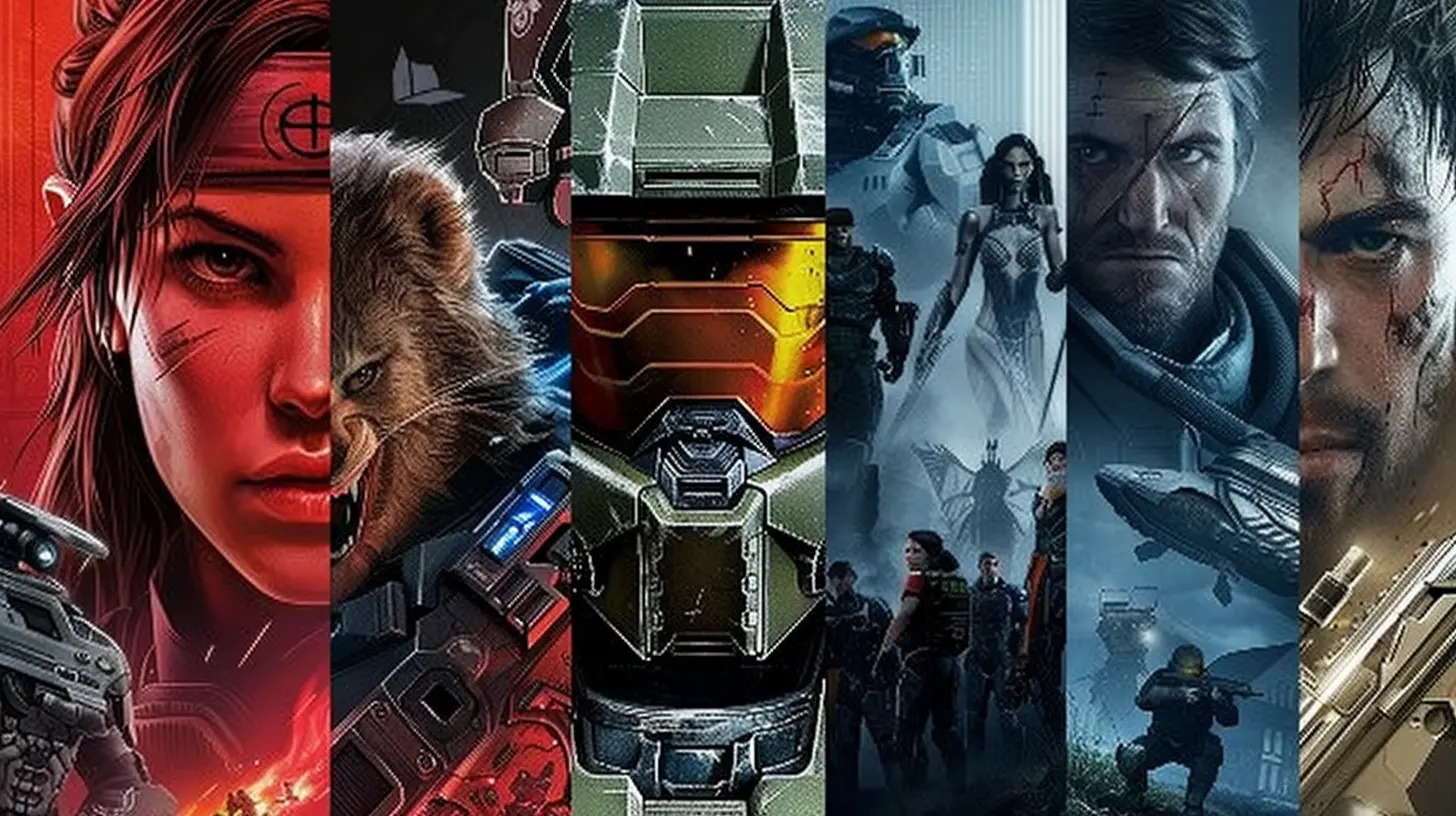
What Makes an Award-Winning Franchise?
Have you ever wondered what separates a good game from an award-winning franchise? It’s not just the flashy graphics or well-polished gameplay (although those do help). Winning franchises master the art of storytelling, innovation, and emotional connection.Think about it—when was the last time you played a game and thought, “Wow, this feels like a masterpiece”? That’s the level of magic these franchises deliver. They push boundaries, challenge norms, and inspire us to explore the depths of what gaming can be.
The Hall of Fame: Iconic Award-Winning Franchises
Let’s rewind the clock and revisit some of the most iconic gaming franchises that have dominated awards ceremonies. These aren’t just games—they’re cultural phenomena. Each one has shattered expectations, raised the bar, and left an undeniable legacy.1. The Last of Us: Redefining Emotional Narratives
If there’s one franchise that has set the gold standard for storytelling, it’s The Last of Us. Developed by Naughty Dog, this series has bagged numerous Game of the Year (GOTY) awards and for good reason. It blends post-apocalyptic survival with a gut-wrenching narrative about love, loss, and hope.What makes it so unforgettable? It’s the characters. Joel and Ellie aren’t just pixels on a screen—they feel like real people. Every conversation, every choice, every haunting silence sticks with you long after the credits roll. Plus, the franchise has been applauded for its jaw-dropping visuals, nuanced combat mechanics, and haunting soundtrack. Let’s face it—who didn’t shed a tear during that intro sequence?
2. The Legend of Zelda: The Gold Standard for Adventure Games
Ah, Zelda. Is there any franchise more synonymous with adventure? From Ocarina of Time to Breath of the Wild, The Legend of Zelda has consistently delivered awe-inspiring exploration and groundbreaking gameplay. Fun fact: Breath of the Wild alone scooped up dozens of awards, including multiple GOTY honors.But here’s the secret sauce: Zelda isn’t just about defeating Ganon and saving the princess. It’s about the journey. Whether you’re solving mind-bending puzzles or stumbling upon a hidden shrine after hours of exploration, every moment feels rewarding. And honestly, don’t we all hum that iconic theme song from time to time?
3. God of War: From Vengeance to Fatherhood
Once upon a time, God of War was synonymous with brutal combat and raw vengeance. But in 2018, the franchise took a bold leap forward with a reboot that transformed Kratos from an angry demigod into a struggling father. And wow, what a leap it was.This reboot didn’t just win awards—it dominated them. From its stunning Norse mythology setting to its emotionally charged narrative, God of War reminded us why Kratos is one of gaming’s most iconic characters. Plus, the relationship between Kratos and his son Atreus added layers of depth that we never thought possible. It’s no wonder fans are eagerly anticipating each new installment.
4. The Witcher: A Masterclass in Immersion
If you haven’t heard of Geralt of Rivia, are you even a gamer? The Witcher franchise, based on the novels by Andrzej Sapkowski, is a love letter to fans of deep storytelling and immersive RPG gameplay.Of course, The Witcher 3: Wild Hunt is the shining jewel of the series. This game swept award shows with its sprawling open world, morally complex characters, and razor-sharp writing. But what really sets it apart is the choices. Every decision you make has weight, often leading to gut-wrenching consequences. And let’s not forget the expansions—they were so good they could’ve been standalone games!
5. Red Dead Redemption: The Wild West, Perfected
Rockstar Games isn’t exactly new to winning awards (cough GTA cough), but with Red Dead Redemption 2, they outdid themselves. This isn’t just a cowboy game—it’s a work of art.What makes RDR2 so special? It’s the detail. From the way Arthur Morgan interacts with the world to the living, breathing towns, this game feels alive. Add in a deeply emotional story about loyalty, betrayal, and redemption, and you’ve got a masterpiece that’s earned its spot in gaming history. 
How These Franchises Shaped the Industry
It’s not just about the awards. These franchises have influenced the way games are made, marketed, and experienced.For example, The Last of Us proved that gamers crave emotionally driven narratives, inspiring a wave of story-centric titles. The Legend of Zelda showed us that exploration can be just as rewarding as combat, paving the way for countless open-world games. And The Witcher 3? It redefined what we expect from RPGs, setting a new benchmark for player choice and consequences.
In a way, these franchises are like trailblazers, setting trends that other developers follow. Without them, the industry wouldn’t be where it is today.
Why Their Legacies Matter
So, why does all this matter? Because gaming isn’t just entertainment—it’s art. These award-winning franchises remind us of that. They prove that games can be just as impactful as movies, books, or music.And let’s be real—do you remember the awards a decade from now? Probably not. What you do remember are the moments. That first thunderstorm in Breath of the Wild, the chilling confrontation with Abby in The Last of Us Part II, or the heart-wrenching ending of Red Dead Redemption. These moments stick with us, becoming part of our shared gaming culture.
What’s Next for Award-Winning Franchises?
The beauty of the gaming industry is that it never stops evolving. With every console generation, developers push the limits of technology, storytelling, and gameplay. So, what’s next?Rumors suggest that franchises like The Elder Scrolls, Mass Effect, and Bioshock are gearing up for their return. And with advancements in AI, ray tracing, and VR, the possibilities are endless. Could the next big award-winning franchise be something entirely new? Time will tell, but one thing’s for sure—the legacy of these franchises will continue to inspire the next generation of creators.
Conclusion: Why We Love These Franchises
At the end of the day, these award-winning franchises are more than just games. They’re experiences that bring people together, spark conversations, and transport us to worlds we never imagined. Whether you’re slashing your way through a dungeon, solving a mystery, or simply riding into the sunset, these games remind us why we fell in love with gaming in the first place.And who knows? Maybe the next time an awards ceremony rolls around, we’ll be witnessing the birth of another legendary franchise.
all images in this post were generated using AI tools
Category:
Game AwardsAuthor:

Lana Johnson
Discussion
rate this article
2 comments
Lauren McTiernan
Insightful read on gaming's impactful legacy—great job!
January 20, 2026 at 5:40 AM
Lana Johnson
Thank you! I'm glad you enjoyed it!
Roxie Taylor
This article beautifully encapsulates the lasting impact of award-winning franchises, highlighting how their innovations continue to shape the gaming landscape for future generations.
January 19, 2026 at 4:41 PM
Lana Johnson
Thank you! I'm glad you found it compelling and insightful. The legacy of these franchises truly shapes the future of gaming.