Exploring the Evolution of Quests in RPGs
4 April 2026
Role-playing games (RPGs) have come a long way since their early pixelated days, but if there's one thing that's remained at their core, it’s the humble quest. You know the drill—some NPC needs your help to find a lost sword, defeat a nearby monster, or maybe deliver a letter to their grandma in the next village. Sound familiar? Yep, we've all been there.
But here’s the thing—quests in RPGs aren’t what they used to be. Over the years, they've evolved from basic fetch-and-kill tasks into rich, narrative-driven experiences that can make or break an entire game. So in this article, we're diving headfirst into the ever-changing world of RPG quests. Why do they matter so much? How have they changed over time? Let’s unpack all of it, one step at a time.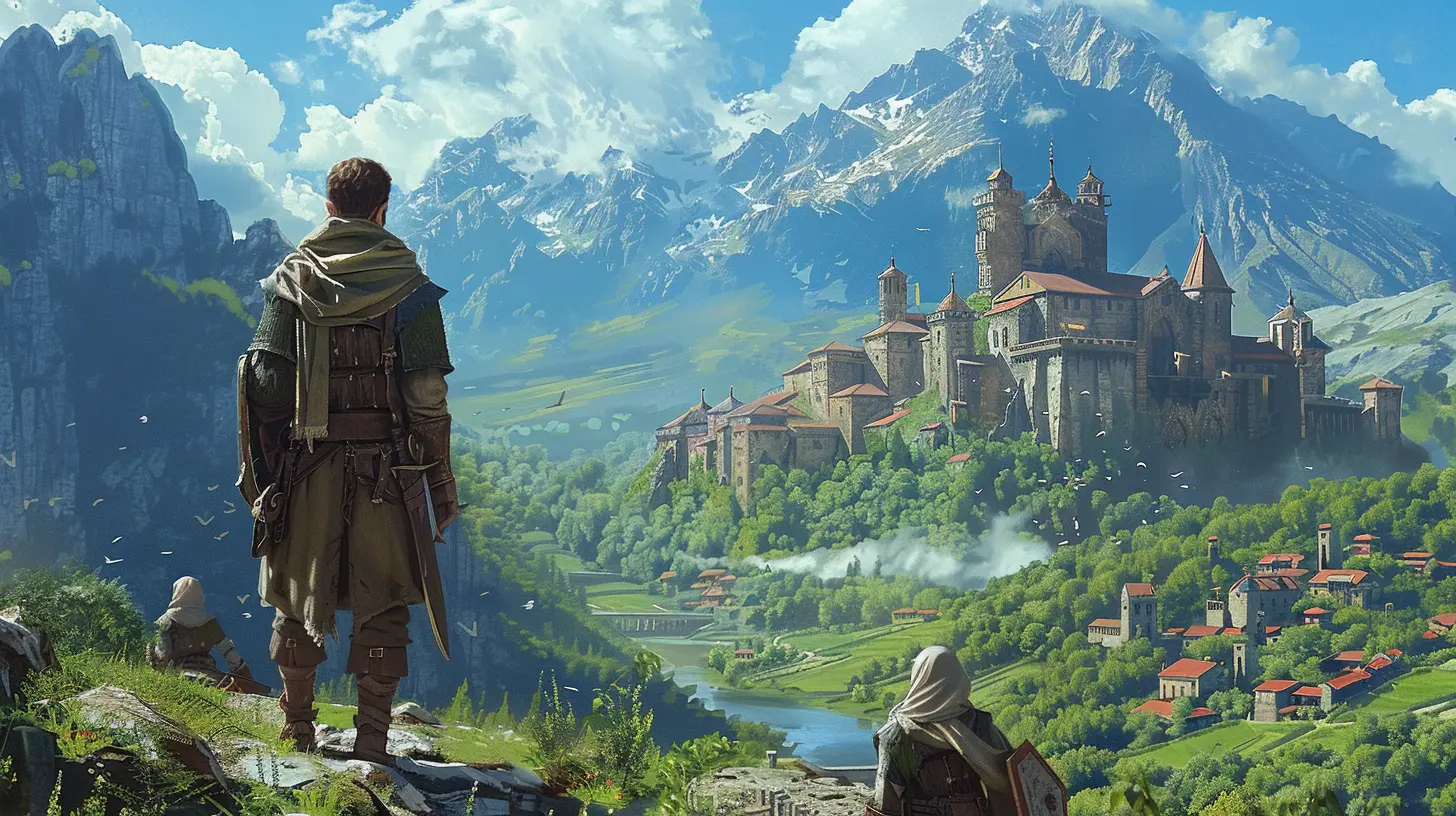
What Makes a Quest, Well, a Quest?
Let's start with the basics. A quest in an RPG is essentially a task or mission given to the player—something to push the narrative forward or reward the player with loot, experience, or a new piece of the story puzzle. But not all quests are created equal.At their core, quests are about motivation. What’s driving the player forward? Is it curiosity, greed, empathy, or vengeance? A good quest gets into your head and makes you want to see it through—not just because there’s XP at the end, but because you’re genuinely invested.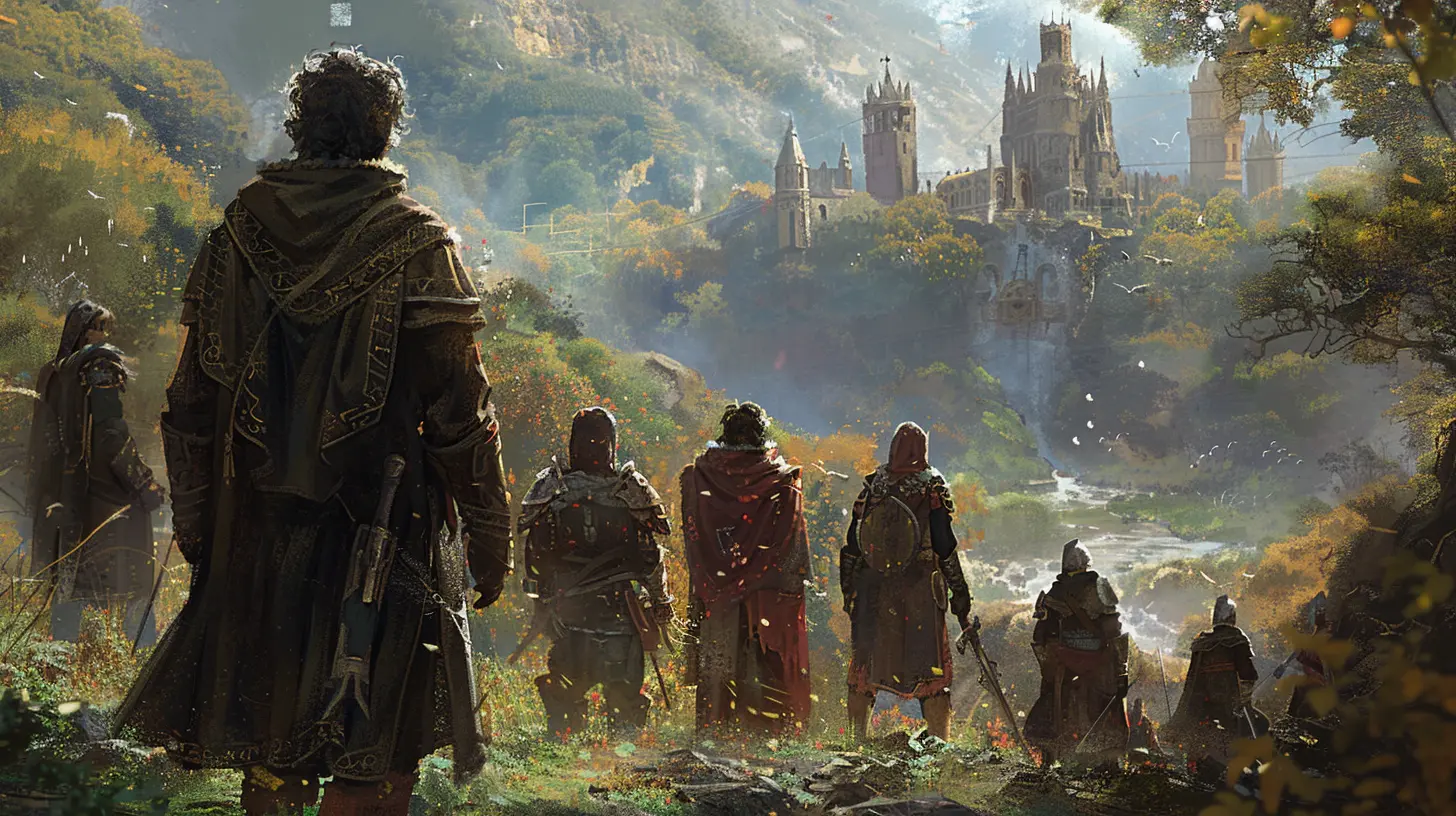
The Early Days: Simple Structures, Big Dreams
Back in the day—think early ‘80s and ‘90s RPGs like Ultima or the original Final Fantasy—quests were pretty straightforward. You’d usually be tasked with defeating a certain enemy or retrieving a lost trinket. These quests were linear, and there wasn't much depth. No moral ambiguity. No branching paths. Just kill the dragon, get the treasure, save the kingdom.Games were limited by hardware and storage size, so developers didn’t have much room to flesh things out. But even then, you could see the seeds of something bigger. Even the most basic quests hinted at richer stories waiting to unfold. They were like breadcrumbs leading players toward a larger narrative tapestry.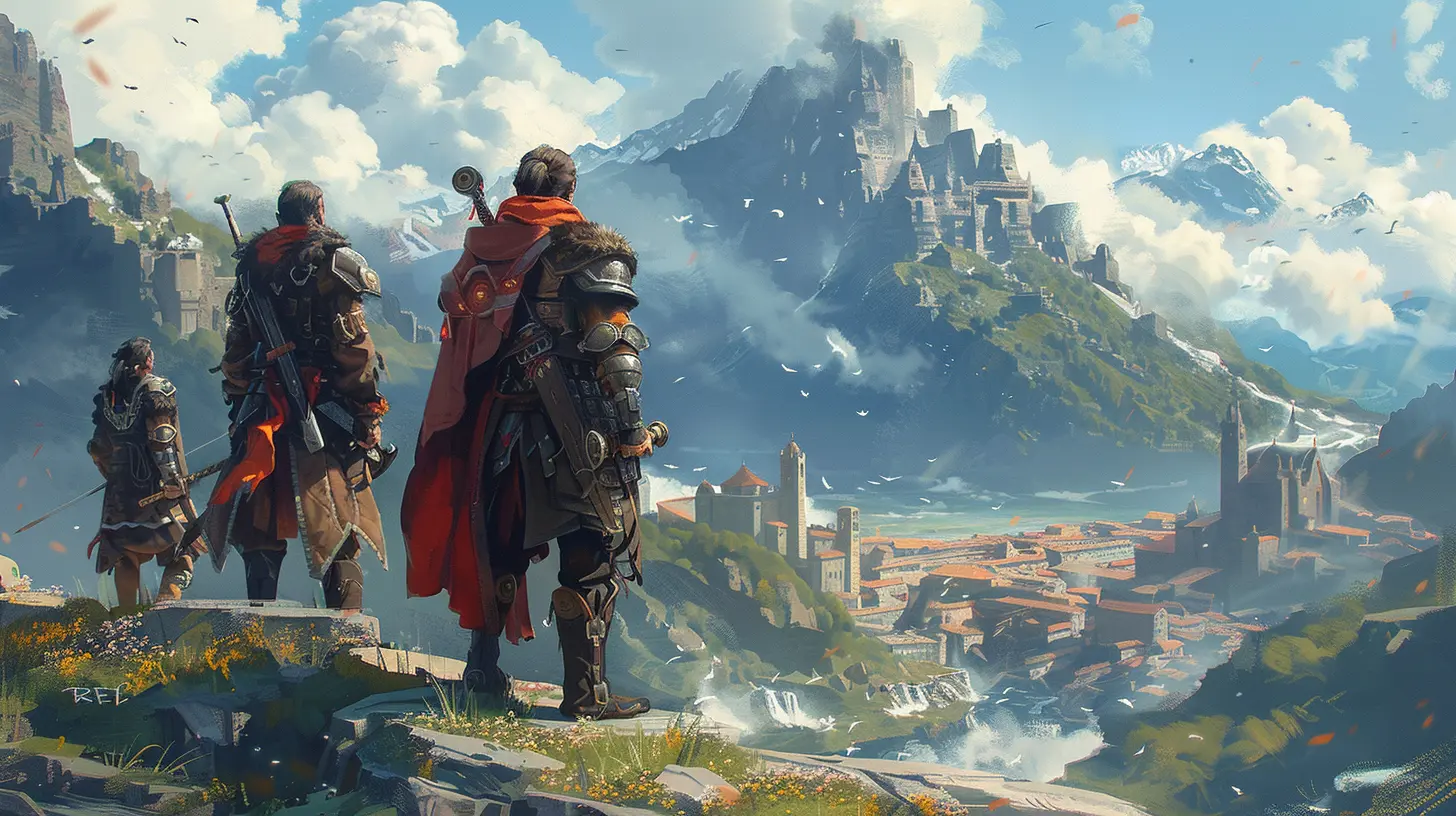
Branching Narratives and Player Choice (Early 2000s)
With the rise of games like Baldur’s Gate, Morrowind, and Fallout, quests started growing up. Suddenly, players were given choices—real ones. You could now side with factions, betray allies, or spare your enemies. These weren’t just cosmetic decisions either; they had lasting consequences that could alter the game world or ending.Let’s talk Mass Effect for a second. Bioware took the idea of consequential questing and ran with it. The choices you made in small side quests could ripple across the main story—and in Mass Effect’s case, even across entire games in a trilogy. That changed everything.
And here's the kicker: It wasn’t just about what you did—but why you did it. Did you spare an enemy out of mercy, or because you needed them later? These layers of depth added flavor and personalization like never before.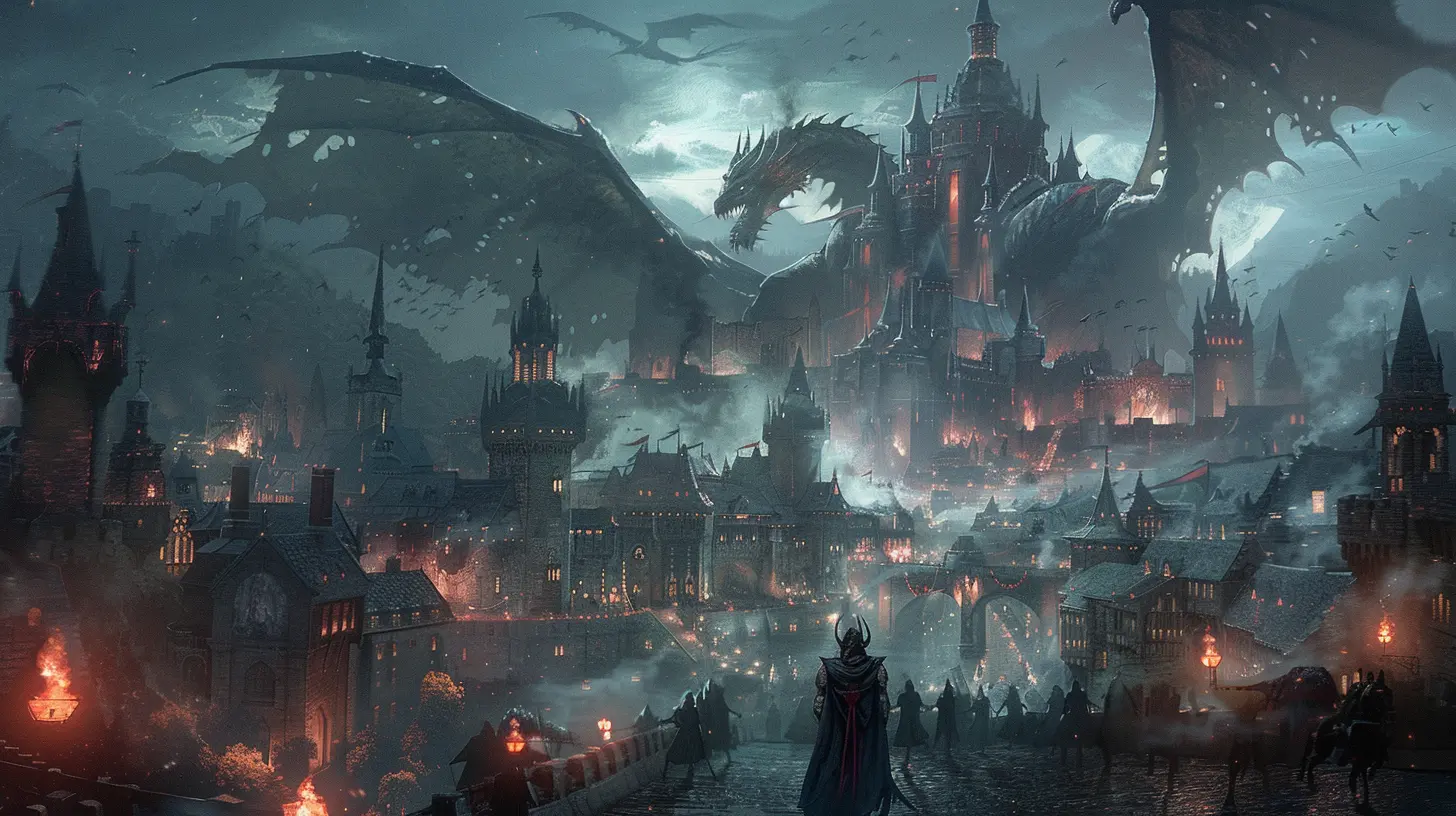
The Rise of Open Worlds and Dynamic Quests
Then came the open-world revolution. Games like Skyrim, The Witcher 3, and Dragon Age: Inquisition gave us sprawling worlds filled with hundreds of quests. Sounds great, right? Well, yes... and no.On one hand, it was amazing to have so much to do. On the other hand, quantity doesn’t always equal quality. Many open-world RPGs fell into the trap of repetitive quest design: go here, kill this, return. The infamous "fetch quest" syndrome.
But the real champions—CD Projekt Red, Bethesda (at their best), Obsidian—found a way around it. They made quests that were stories in their own right. Remember “The Bloody Baron” from The Witcher 3? That wasn’t just a quest. That was a multi-layered narrative drama tackling grief, loss, addiction, and family—disguised as a side mission.
Dynamic questing also became a thing. Procedurally-generated quests, radiant AI systems, and sandbox environments allowed for emergent storytelling. No two players had the exact same experience—and that was powerful.
Emotional Depth and Character-Driven Storytelling
Here’s where it gets really interesting. Modern RPGs are all about emotion. Quests are no longer just tasks; they're means of character development—for both the protagonist and the world around them.Think about games like Red Dead Redemption 2 or Cyberpunk 2077. The side quests are often as compelling as the main story. Sometimes even more so. Why? Because they anchor the player emotionally. You care about the bartender’s missing daughter, or the old man looking for his lost love. These aren’t just lines of code—they’re stories, and good ones at that.
The writing has gotten sharper, more nuanced, and more human. Modern quests deal with mental health, identity, politics, and social issues. They make you stop and think. And let’s not forget—voice acting and motion capture technology have made these experiences feel incredibly immersive.
Moral Complexity and Grey Areas
Gone are the days of black-and-white morality. Most modern RPGs aren’t interested in telling you what’s right or wrong—they want you to decide. Quests now regularly drop you into morally murky waters. There’s no clear good guy or bad guy.Games like Disco Elysium thrive on this complexity. Every decision you make has weight, and there’s rarely a perfect answer. Should you uphold the law or fight against systemic injustice? Should you protect your friends or do what's best for the greater good?
These questions linger long after the game ends. And that’s the true power of a well-written quest—it sticks with you.
Multiplayer and Shared Journeys
You can’t talk about modern RPGs without touching on multiplayer. Whether it’s MMOs like World of Warcraft or co-op RPGs like Divinity: Original Sin 2, quests have found a new rhythm in shared spaces.In MMOs, questing at scale became a challenge. Developers had to create content that felt personal, even when thousands of other players were doing the same thing. Some succeeded, others didn’t.
Games like Destiny 2 and Final Fantasy XIV have taken the concept even further by blending epic storytelling with seamless multiplayer integration. Watching a massive raid unfold while progressing through a narrative arc with your friends? That’s next-level stuff.
The Future of Quests: AI, Procedural Storytelling, and Beyond
So, where are we headed?Artificial intelligence and procedural generation are set to revolutionize how quests are created. Imagine a game that builds quests dynamically based on your choices, personality, or play style. We’re already seeing early attempts in games like Skyrim mods and experimental indie projects.
Also, as virtual reality and augmented reality grow, expect quest design to evolve with them. Immersive environments and player agency will become even more important. You won’t just go on quests—you’ll live them.
But with great power comes great responsibility. The future of RPG quests lies in balancing technological innovation with strong storytelling. Because at the end of the day, all the flashy mechanics in the world can’t substitute for a well-crafted narrative.
What Makes a Quest Truly Memorable?
Let’s wrap up with a simple question: What makes a quest unforgettable?Is it the reward? The twist ending? The choices you made? Maybe. But more often than not, it’s the emotion behind it. The way it made you feel. The impact it had—not just on your character, but on you.
Maybe it was a tragic betrayal. Or an unexpected friendship. Or a moment of quiet reflection after a hard-won victory. These are the moments that elevate quests from mere gameplay mechanics to pieces of interactive art.
Final Thoughts
RPGs have transformed from linear, goal-based experiences into open-ended, emotionally complex journeys—and the evolution of quests has played a massive role in that. We’ve gone from slaying rats in tavern basements to making gut-wrenching decisions that shape entire worlds.It's clear that quests are more than side content—they're the beating heart of the RPG experience. And as games continue to evolve, so too will the stories we tell, the choices we make, and the adventures we embark on.
So next time you accept a quest, take a moment to think about its roots—and imagine where it might take you. After all, in the world of RPGs, no journey is ever just about the destination.
all images in this post were generated using AI tools
Category:
Quests And MissionsAuthor:

Lana Johnson
Discussion
rate this article
2 comments
Pierce Griffin
From simple fetch quests to intricate character-driven narratives, the evolution of RPG quests mirrors our own journeys. What hidden treasures and unseen dangers lie ahead in this ever-expanding realm of storytelling?
April 5, 2026 at 4:28 PM
Lana Johnson
You're right. RPG quests reflect our growth, offering both challenges and discoveries. The future of storytelling is bound to surprise us with new adventures.
Harlow Jordan
Ah, yes, the grand saga of quests in RPGs! From 'Fetch me a cup of water' to 'Save the universe from a dark overlord'—truly groundbreaking stuff. Who knew collecting 12 dragon scales would lead to such an epic journey? Can’t wait for the sequel: ‘Quest for the Lost Sock’!
April 4, 2026 at 3:14 AM
Lana Johnson
Haha, love the humor! It's funny how even the simplest tasks can lead to wild adventures. Who knows what the next quest will bring?