Exploring the Bond Between Gamers and Their Avatars
5 June 2026
Ever noticed how you start referring to your game character as “me”? Like when you say, “I took out that boss in one hit,” or “They shot me while I was looting”? Yeah, that’s not just a slip of the tongue. That kind of language points to something deeper.
In the world of gaming, the relationship between a player and their avatar isn't just about controls and commands. It's emotional. It's psychological. And sometimes, it's downright spiritual.
Let’s dive into the fascinating world where pixels become personal, and digital characters reflect who we are—or who we wish to be.
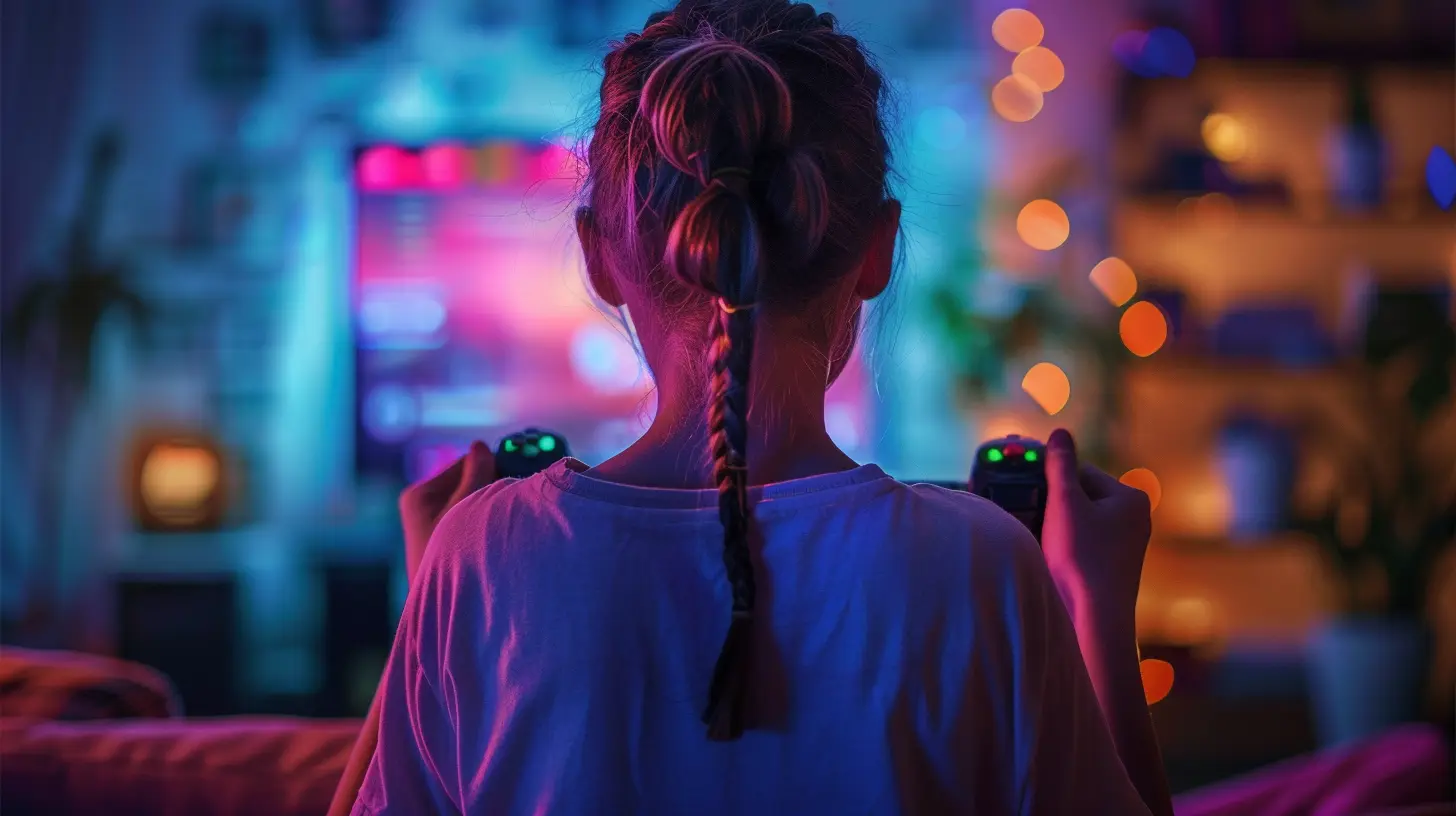
What Exactly Is an Avatar in Gaming?
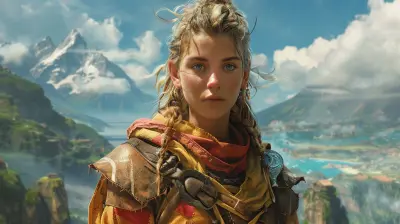
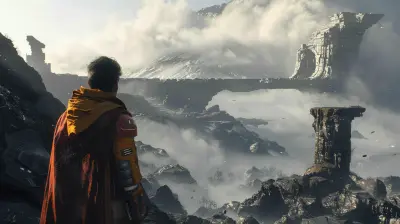
Before we get all mushy and emotional, let’s start with a quick definition. In gaming terms, an avatar is your digital self—or character—you control in a game world. Whether it's a soldier in Call of Duty, a Sim living its best (or worst) life, or a fully customized RPG hero, that's your avatar.It could be a hyper-realistic human, a bulky orc, a talking cat, or even a sentient toaster (because, well, why not?). No matter the shape or size, when we’re in a game, that avatar is us.

The Psychology Behind the Avatar Connection
So, why do we care so much about a bunch of polygons? There's actually some science behind this.1. The Proteus Effect
Ever heard of this one? The Proteus Effect refers to how the appearance of your avatar can actually change your behavior in the game—and, in some cases, in real life. For example, if your avatar is tall, confident-looking, or super athletic, you might act more assertively. It’s like digital dress-up with real-world consequences.2. Emotional Projection
We tend to project parts of ourselves onto our avatars. If you're someone who’s usually quiet IRL, you might create a bold, fearless character who speaks up and makes daring choices. That’s not escaping reality—that’s expressing a part of you that might not get the spotlight elsewhere.3. Identity Exploration
Let’s face it—games give us a unique chance to try on different identities. Want to be a stealthy rogue instead of your 9-to-5 self? Go for it. Want to live as another gender, culture, or species? Gaming says, “No problem.”It’s not just roleplay. It’s safe exploration with zero judgment (well… unless you grief your squad, then maybe some judgment).
Customization: Making It Truly Yours
You know that feeling when you spend more time in character creation than the actual tutorial? Yeah, that’s because building an avatar is like building a part of yourself.1. Visual Customization
Hair color, body shape, scars, tattoos, armor—all of it matters. We use these tools to express ourselves. It’s like digital fashion or personal branding. And if a game doesn’t offer the customization you're looking for? That’s a dealbreaker for many gamers.2. Naming Your Avatar
This part’s underrated. The name you give your avatar is a powerful thing. Whether it’s your real name, a nickname, or something totally made up, your character’s name is part of their identity—and, by extension, yours.A name like “ShadowSlayer99” isn’t just cool. It says something about how you want to be seen in the digital realm.

The Emotional Journey: From Noob to Legend
The more time you spend with your avatar, the more that bond grows. Think of it like any long-term friendship or relationship—it’s built on shared experiences.You’ve survived raids together. You’ve crossed deadly terrain. You’ve failed missions, lost loot, and had hilarious moments. Your avatar isn’t just an image on screen—it’s a partner in all of that.
Game Progress = Personal Progress
Leveling up your character? It feels like you’re leveling up too. Achievements, unlocks, reputation—you earned them. And that pride isn’t just digital; it’s real.Ever finished an intense boss battle and yelled, “Let’s gooo!”? That sense of victory? Pure adrenaline, baby.
Multiplayer Magic: Avatars as Social Bridges
In online games, your avatar is also your social representative. It’s how others see you, interact with you, and judge you. That sounds rough, but it's also kinda magical.1. Building Communities
From guilds in World of Warcraft to fireteams in Destiny to crews in GTA Online, avatars help form social bonds. People remember you not just by your tag, but by your look, your actions, your vibe.2. Friendships and Romance
Believe it or not, some people have met lifelong friends (and even spouses!) through their avatars. That connection—starting with two digital characters running around—can turn into something deeply human.
When the Game Ends (But the Bond Doesn’t)
Here’s the bittersweet part. Sometimes, games end. Servers shut down. Stories conclude. You stop playing.But the bond? That lingers.
You’ll always remember that time your avatar saved the day, made that impossible jump, or pulled off one final win before the screen faded to credits. Your avatar becomes a chapter in your personal story.
Ever randomly hum a game’s soundtrack and feel a wave of nostalgia? Yeah, your avatar’s part of that.
Streamers, Cosplayers, and IRL Avatars
Some folks take it even further. Streamers often build entire personas around their in-game avatars. Cosplayers bring them to life outside the screen. Fans write fan-fic, draw fan-art, and get tattoos of their digital selves.That’s not obsession—that's love. And it shows how deeply these characters can mean to us.
VR and the Future: When You Literally Become the Avatar
Virtual Reality is pushing the boundary even harder. In VR, you don’t just control the avatar—you see through their eyes, move as they move, and interact more naturally with the world around you.The gap between player and avatar is shrinking fast. And that means the emotional connection? It's only going to get stronger.
The Dark Side of Avatar Attachment
Okay, let's be real for a sec. Not all bonds are healthy. Sometimes, people lose touch with reality, using their avatars to escape problems rather than dealing with them.There’s also identity confusion, over-dependence, or grief when a favorite character dies or a game ends. And let’s not forget the toxicity that can happen in online games when people hide behind avatars to behave badly.
So yeah, while the bond can be enriching, it’s important to keep a balance.
The Takeaway: It’s More Than Just a Game
At the end of the day, avatars are more than pixels. They’re mirrors, masks, muses, and messengers. They're extensions of ourselves, forged in fantasy but rooted in something very real.Whether you’re a casual player or a hardcore gamer, your avatar tells a story—a story about where you've been, what you’ve faced, and who you’ve become along the way.
So next time you boot up your console or PC, and your avatar appears onscreen, take a moment to appreciate them. That’s not just a character. That’s you—on an epic journey, one quest at a time.
Frequently Asked Questions
Why do gamers get so attached to their avatars?
Because avatars often represent parts of ourselves. They go through challenges with us, grow with us, and in many cases, become a symbol of our accomplishments.Can an avatar affect real-life behavior?
Absolutely. Thanks to the Proteus Effect, how your avatar looks and acts can influence your confidence, decisions, and even how you interact with others.How do avatars help with identity exploration?
Games allow people to try on different roles and identities in a safe space, which can be incredibly helpful for understanding themselves better.Is it unhealthy to be too into your avatar?
It depends. If it’s interfering with real-life responsibilities or replacing human interaction, it might be time to reevaluate. But for the majority, it’s just a meaningful connection.Final Thoughts
The bond between gamers and their avatars is more than just a cool aspect of gaming culture—it’s a window into human psychology, creativity, and emotion. Whether they’re fierce warriors, charming rogues, or pixelated pets, these digital companions travel through our favorite worlds with us, reflecting who we are (or maybe just who we wish we could be).And that bond? It’s here to stay.
all images in this post were generated using AI tools
Category:
Game CultureAuthor:

Lana Johnson
Discussion
rate this article
1 comments
Isadora Navarro
Avatars feel like friends we create-each one tells a piece of our story.
June 17, 2026 at 4:37 AM