Exploring Morality Through In-Game Decisions and Quests
13 December 2025
Ever sat staring at your screen, controller in hand, grappling with a choice that feels… too real? It's just a game, right? So why does choosing between saving a village and letting it burn gnaw at your conscience like it's a real-life dilemma?
That’s the magic – and mystery – of morality in video games.
Let’s dive headfirst into how games make us question our ethics, test our values, and sometimes, make us feel really guilty about letting that pixelated puppy starve.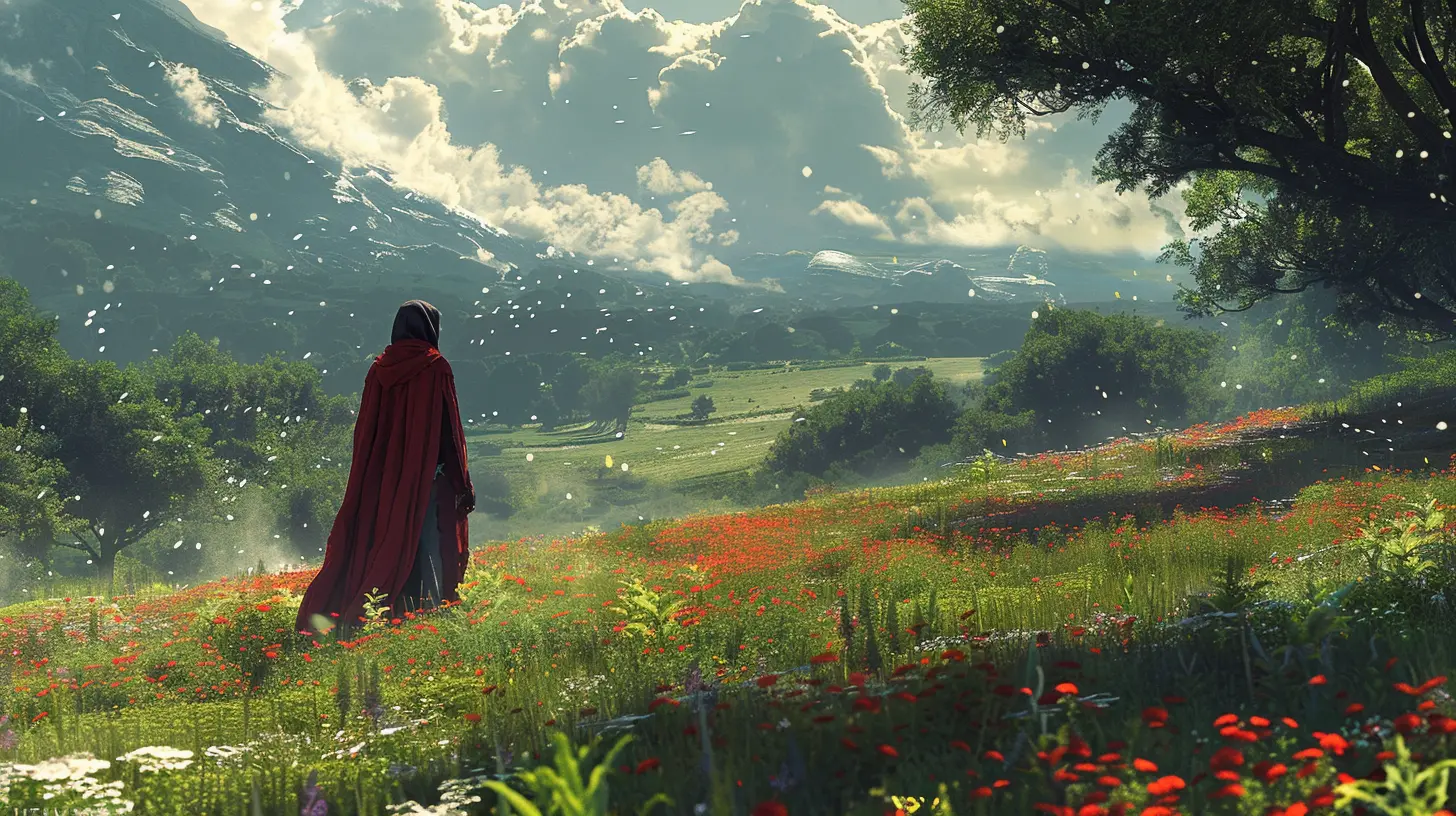
The Power of Choice: A Digital Mirror to Our Values
We’re not just talking about picking a red or blue outfit for your hero here. We’re talking real-deal moral choices. Games like Mass Effect, The Witcher, and Detroit: Become Human don’t hand you neat answers. They drop you into the moral grey zone and whisper, “Figure it out.”Suddenly, your avatar is a mirror—and what you see might startle you.
Think about it: when given the power to shape worlds, why do some players choose chaos while others fight tooth and nail for peace? The answer isn’t black or white. It’s the messy middle—what makes us human.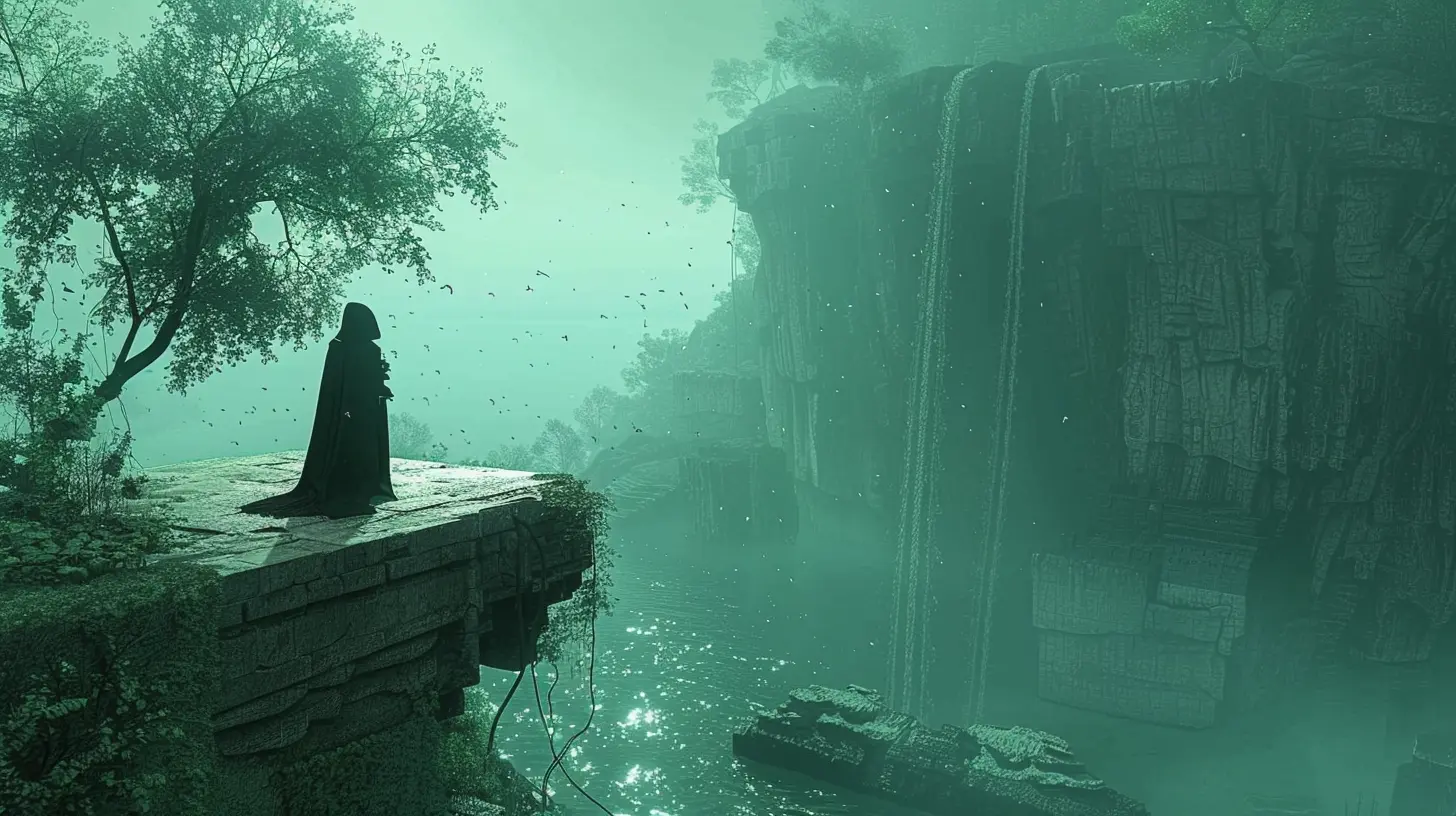
Good vs. Evil? Pfft. It’s More Complicated Than That
Gone are the days when video games split morality into neat little packages: good vs. evil. Nah. Now it’s more like “morally complicated vs. morally messier.”Let’s Take The Witcher 3: Wild Hunt ⏤ Gray is the New Black
In The Witcher 3, Geralt is no white-knight hero. He’s a tired, seasoned monster hunter who gets tangled in decisions with no clear right or wrong. Do you save the cursed woman who's done terrible things… because she was a victim? Or do you let justice play out, no matter the tragedy?Every choice affects the story—and how you feel about yourself.
Like Mass Effect? Get Ready to Feel Judged
Commander Shepard’s decisions carry weight across galaxies. Save one species and doom another. Sacrifice a squadmate. Or lie to preserve peace. The game keeps score with its morality system, but it never holds your hand. The tension? That’s real.
The Butterfly Effect: Consequences That Sting
What makes these choices hit hard is the delayed consequence—the “butterfly effect” in motion.Remember Life is Strange? One choice. One dialogue option. One moment of hesitation. And suddenly, you're watching your best friend die. Or survive.
It’s Not Just What You Choose, But When You Choose
In many narrative-driven games, timing is everything. A rushed choice might save someone now... but wreck another character’s life later. This isn’t just a morality test—it’s a ticking emotional time bomb.And when consequences roll in hours later? Oh boy. It hits different.
Morality as Gameplay Mechanic: Not Just a Gimmick
Let’s be honest: some games add “morality choices” like sprinkles on a cupcake—pretty, but flavorless.But the best ones? They knead morality right into the dough. You can't ignore it. Here’s how:
1. Branching Narratives That Feel Organic
Games like Until Dawn or Heavy Rain adapt the story based on your choices. It’s not just one “Good Ending” and one “Bad Ending.” Every decision shapes the world around you organically, making things feel personal.2. Character Reactions Are Everything
When NPCs (non-playable characters) remember what you did—it hits harder. They might resent you, fear you, or admire you. Your moral compass affects relationships, trust, and even side quest availability.3. Mechanics Reflect Morality
In Undertale, killing enemies makes the game harder emotionally and mechanically. Try going full genocide route—watch how the colors drain, the music changes, and your guilt festers. Even the game judges you with a knowing stare.Why We Love (and Hate) These Moral Dilemmas
Let’s be real: we don’t just play games for escapism anymore. Some of us are seeking something deeper—something raw. Games tap into genuine human emotion when they make us confront our values.They Make Us Reflect
Ever walked away from a quest with a knot in your stomach? That’s your brain wrestling with real ethical questions. How far would you go for survival? Would you lie to protect a loved one? What does “justice” really mean?Gaming becomes self-reflection in disguise.
They Offer Safe Spaces to Be... Not-So-Safe
Sometimes we choose the selfish route in-game—just to see what happens. It’s a playground for shadow selves. And that’s okay. Games let us explore the darker sides of humanity without real-world consequences.Like testing a moral fire alarm—“What if I did this? Ohhh, that’s what happens.”
The Psychology Behind In-Game Morality
So what’s going on in our heads when we make these decisions?Psychologists say we carry our real-life moral compass into games. But we also tweak it—because digital worlds feel both real and not-real.
Our brains know this is “pretend,” yet we still feel attached. The emotional investment is legit. Games activate empathy centers in our brain—especially when characters are fleshed-out and relatable.
It’s like playing god, but with a conscience.
Quests That Haunt You Long After the Credits Roll
You know that moment when the game ends but you're still thinking about one decision days later? Yeah, those quests deserve a special shout-out.“A Crooked Man” – The Wolf Among Us
You’re the Big Bad Wolf trying to be good. But choosing to kill or spare a criminal doesn't just affect the ending—it frames how everyone sees you. Brutal justice or reluctant mercy? Your call.“The Last of Us: Part I & II”
Arguably some of the most morally intense storytelling ever. Joel’s choice at the end of Part I is gut-wrenching. Part II? Every action has a ripple. You hate who you’ve become, but you're still doing it. And that internal conflict? Chef’s kiss.“Pavilion of the Painted World” – Dark Souls
It’s subtle, twisted, and poetic. You invade a peaceful world. The person you meet begs you to leave in peace. Do you fight? Or walk away? There's no reward for mercy—just self-respect.How Developers Craft These Moral Mazes
Game devs are part storyteller, part psychologist. They study how players think, what makes us hesitate, and how to twist our heartstrings.They use:
- Compelling characters (the more real, the harder to hurt them)
- Complex villains (sympathetic motives make choices harder)
- Time-pressure decisions (to activate your gut instinct over logic)
- No-win scenarios (the ol’ “damned if you do, damned if you don’t”)
And let's not forget the lighting, music, and camera angles. Ever notice how everything slows down when a big moral choice pops up? Devs want you to stew in it.
Multiplayer and Moral Mayhem: What Happens When Others Judge You?
Single-player moral choices hit hard. But throw in multiplayer? Now you're being judged in real time.Take Among Us. Lie convincingly and you’re praised. Fail, and you’re ejected. Even in chaos, there's a strange code of ethics we follow.
Or Red Dead Online. Random players who gun down innocents are labeled “griefers." Others form posses that uphold virtual justice. The morality unfolds not from the code, but the community.
Online morality is like Lord of the Flies… with guns and memes.
The Future of Morality in Games: What’s Next?
With AI and procedural storytelling on the rise, future games might adapt moral tales based on your personal play style. Imagine a game that observes your past decisions and tailors future dilemmas accordingly.Scary? Exciting? Both.
Also, as VR evolves, morality will feel even more visceral. Picture kneeling next to an NPC, deciding their fate, hearing their breath, seeing their eyes. It won’t just be a choice—it’ll be an experience.
Final Thoughts: The Game Is Never Just a Game
Here’s the thing: moral choices in games aren’t just about role-playing. They’re about exploring the deepest parts of who we are.Each quest is a litmus test for our beliefs. Each decision is a window into our soul. And each time we hit “Continue,” we walk a little taller—or maybe wonder, “Did I do the right thing?”
In a world where games are more human than ever, maybe the biggest boss we’ll ever face… is our own reflection.
all images in this post were generated using AI tools
Category:
Quests And MissionsAuthor:

Lana Johnson
Discussion
rate this article
2 comments
Sophie Stone
This article effectively highlights how players' choices in games shape moral dilemmas, offering insightful examples that deepen our understanding of ethical decision-making in interactive storytelling.
December 23, 2025 at 5:27 PM
Lana Johnson
Thank you! I'm glad you found the examples insightful and that the article resonated with your thoughts on ethical decision-making in games.
Tiffany Martin
Games offer a unique lens to explore morality! Every choice shapes our journey, teaching us empathy and resilience. Let's embrace the power of our decisions!
December 18, 2025 at 3:49 PM
Lana Johnson
Absolutely! Games provide a powerful medium to reflect on moral choices, enhancing our understanding of empathy and resilience through interactive storytelling.