Cosmetic-Only Microtransactions: A Win-Win for Developers and Players?
17 December 2025
Microtransactions. Just the word is enough to stir up a digital riot in the gaming community. Some folks hear it and immediately picture pay-to-win nightmares, loot box scandals, and overpriced unicorn mounts. But hold onto your controller—it's not all bad news. In fact, there’s one flavor of microtransaction that’s been slowly winning the hearts (and wallets) of both developers and players: cosmetic-only microtransactions.
So, are these stylish little purchases really the best of both worlds? Let’s dive helmet-first into the world of digital outfits, weapon skins, and sparkly dance emotes to find out.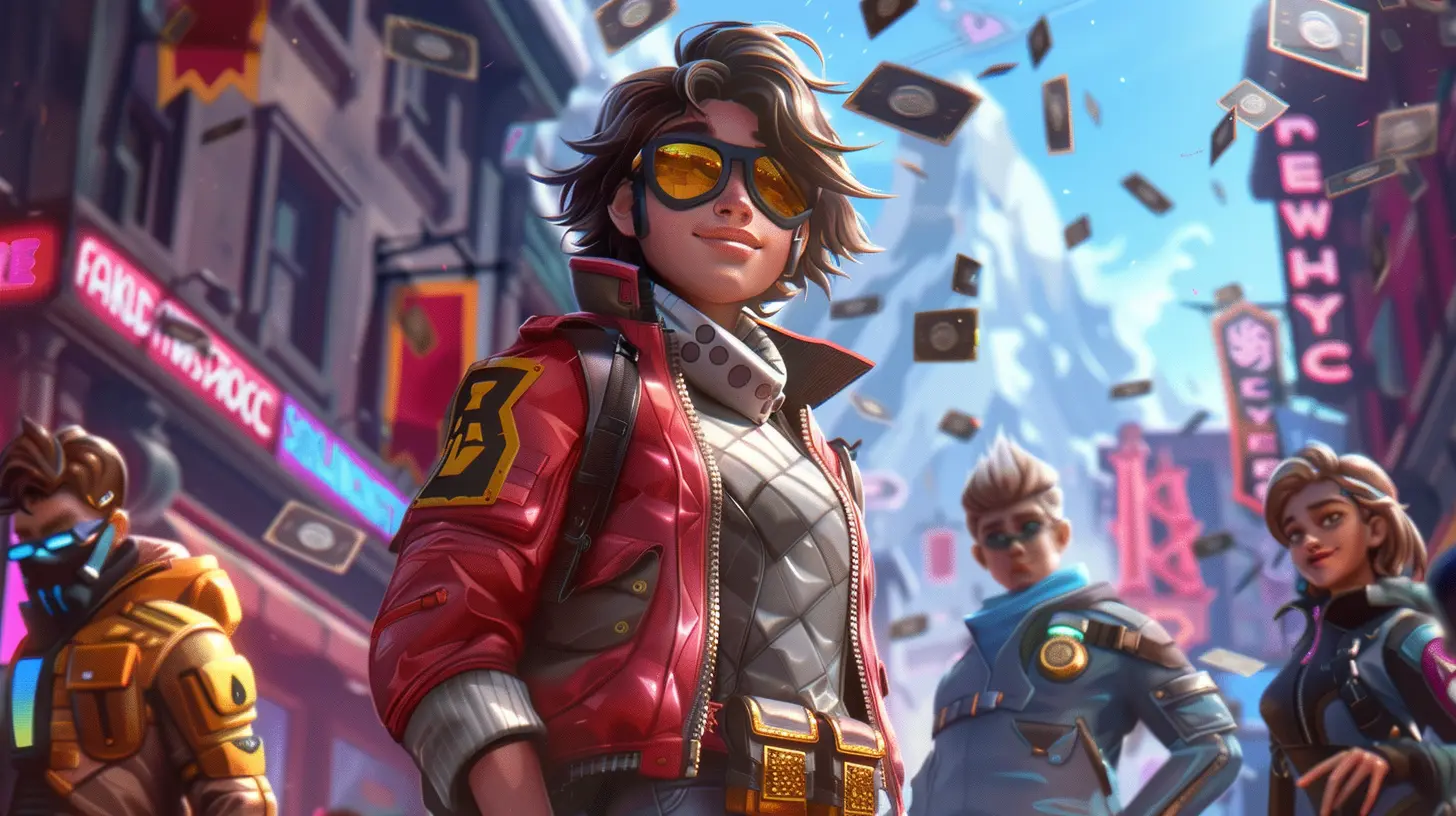
What Are Cosmetic-Only Microtransactions, Anyway?
Let’s start at the spawn point.Cosmetic-only microtransactions refer to in-game purchases that don’t affect gameplay. No stat boosts, no overpowered weapons—just visual upgrades. We're talking skins, outfits, mounts, weapon wraps, emotes, avatars, and sometimes even groovy loading screens. They’re like changing your character’s clothes or adding neon rims to your car, but performance stays the same.
Think of it like this: if the game were a pizza, cosmetic microtransactions are the toppings. Sure, you can eat a plain cheese pizza (and enjoy it), but throw on some pepperoni and olives, and suddenly it feels personal. You haven’t changed the fundamental pizza-eating experience, but it looks and feels uniquely yours.
Why Developers Are Totally Into It 🎮💰
1. Keeps the Lights On Without Breaking the Game
Developing games isn’t cheap. We’re talking millions of dollars, years of work, and a whole lot of caffeine. While the traditional model of selling a $60 game still exists, many developers are leaning into live service games—titles that evolve over time and keep players coming back.Cosmetic-only microtransactions bring in steady revenue without having to charge players for every update. No game-breaking pay-to-win issues, no splitting the player base with overpriced DLCs. Just a few bucks for that epic samurai armor you had your eye on.
2. Encourages Long-Term Engagement
Ever grind 100 levels in a battle pass just to unlock a banana suit skin? (No? Just me?) Cosmetic incentives keep players engaged. People love showing off their rare outfits, custom animations, and limited-edition gear. It turns every match into a mini fashion show.That ongoing engagement? That’s music to a developer’s ears. More players sticking around means more opportunities to introduce content—and more optional purchases.
3. Reduces Backlash (Most of the Time)
Let’s face it—players get cranky when they feel cheated. Insert a $20 sword that gives you superpowers, and you'll see pitchforks and angry Reddit posts. But a $10 dragon costume that doesn’t affect gameplay? That’s just good fun.Cosmetic-only models tend to create less community rage. They feel optional, non-intrusive, and fair. That’s a big ol’ win for PR teams everywhere.
Why Players Are (Usually) Cool With It 🧍♂️💸🧍♀️
1. No Pay-to-Win Shenanigans
Here’s the holy grail for gamers worldwide: a level playing field.Cosmetic-only microtransactions let you support the game (or just flex your style) without compromising fairness. The guy with the golden shotgun skin doesn’t deal extra damage—he just looks flashier doing it. This keeps the competitive spirit alive and well.
It’s like playing basketball with someone wearing gold-plated sneakers. Yeah, they look cool, but they’re not dunking on you because of them.
2. Freedom of Choice (a.k.a. “Let Me Look Fabulous!”)
There’s something magical about making your character yours. Maybe you want to roleplay a cyberpunk samurai or a cowboy in space. Maybe a flaming rainbow unicorn mount fits your vibe. Go for it.Cosmetics give you the power to express yourself. It’s your gaming identity—and if you’re having fun, isn’t that the point?
3. Gamers Support What They Love
Gamers aren’t heartless penny-pinchers. If a dev creates a great experience and throws in a hilarious dance emote for $2? Many of us are happy to throw a few bucks their way. It’s like leaving a tip at your favorite restaurant… except instead of a smile, you get a banana costume. 🍌Plus, buying cosmetics can feel like voting with your wallet. It signals to developers, “Hey, I support this game. Keep up the good work.”
Potential Pitfalls and Harsh Realities
Of course, it wouldn’t be the gaming industry without a few plot twists.1. FOMO and the Temptation to Overspend
Limited-time skins? Seasonal cosmetics? Flash sales? Hello, artificial scarcity.While cosmetics might technically be optional, the pressure to “get it before it’s gone” can lead to regret purchases—or worse, habits that stretch your wallet thin.
It’s like walking into a store for milk and walking out with a full Batman costume because it was "limited edition."
2. Battle Pass Burnout
Many games bundle cosmetics into battle passes. It's a great value if you play a lot. But for casual gamers, it can feel like a chore to grind through tiers just to reach that majestic flaming helmet at level 100.You start out excited and motivated… and then it becomes a 40-hour-a-week second job. Achievement Unlocked: Cosmetic Exhaustion.
3. The Risk of Cosmetic-Creep
When cosmetics stop being just cosmetic, trouble starts brewing. Some games blur the line—skins that subtly give players visibility advantages, or gear that alters hitboxes.It's like hiding a cheat code inside a pair of designer jeans. Most players won't notice—but the competitive crowd definitely will.
The Games Doing It Right 🙌
Let’s give a high-five to some titles absolutely nailing the cosmetic-only model.- Fortnite
Love it or hate it, Fortnite paved the way in cosmetic monetization. Skins, emotes, dance-offs—none of it affects gameplay. The game stays free-to-play, while players happily drop money on looking fabulous as Ariana Grande in a gunfight.- Warframe
Warframe’s got style. Plenty of premium cosmetics, but you’re never forced to buy anything. The gameplay? Fast, fluid, and fair. Plus, many cosmetics can even be earned through in-game efforts.- Valorant
Riot’s tactical shooter has some sick gun skins and animations. Expensive? Sometimes. But purely cosmetic. No enhanced bullets or laser scopes—just gorgeous pew-pew aesthetics.Games That… Missed the Mark 😬
No shade, but some games took the wrong turn at Cosmetic Avenue.- NBA 2K Series
Let’s just say players have complained about the heavy hand of monetization in almost every area—including cosmetics, which often tie into player progression. Oof.- Star Wars Battlefront II (At Launch)
To be fair, EA turned the ship around. But at launch? Cosmetic and gameplay upgrades were locked behind long grinds or loot boxes. It was the poster child for monetization gone wrong.So… Is It Really a Win-Win?
Let’s wrap it all up like a shiny loot box.On the surface, cosmetic-only microtransactions seem like a golden compromise. Developers earn continual revenue without dividing or unbalancing the player base. Players get to support games they love while customizing their experience to their heart’s content.
Sure, there are pitfalls—FOMO, overpricing, and the occasional sneaky implementation. But when done with transparency and fairness? It’s a model that can (and often does) work beautifully.
So next time you see a pirate cat skin for sale in your favorite game, ask yourself:
Do you need it? Maybe not.
Do you want it? Oh heck yes.
Will it ruin the game? Nope—and that’s the magic of it.
Final Thoughts: A Stylish Future
Cosmetic-only microtransactions, when handled responsibly, are like icing on an already delicious cake. They don’t change the flavor, but they sure make it prettier. If this trend continues—and developers stay respectful of their communities—we're in for a future where games keep evolving, players stay engaged, and everyone gets to look fabulous doing it.Now, if you’ll excuse me, I’ve got a sparkly dragon skin to buy.
all images in this post were generated using AI tools
Category:
MicrotransactionsAuthor:

Lana Johnson
Discussion
rate this article
2 comments
Owyn Frank
“Cosmetic microtransactions: because why not pay to look fabulous while grinding? Just call it virtual fashion week!”
December 24, 2025 at 5:07 AM
Lana Johnson
Absolutely! Cosmetic microtransactions enhance personalization without impacting gameplay, making it a win-win for everyone involved!
Kylie Scott
Great insights! Cosmetic microtransactions can enhance player experience without compromising game integrity. Thank you!
December 21, 2025 at 3:59 AM
Lana Johnson
Thank you! I'm glad you found the insights valuable. It’s exciting to see how cosmetic microtransactions can benefit both players and developers!