Breaking Down the Structure of a Great Video Game Mission
9 May 2026
Ever played a video game mission that got your heart racing, left your jaw on the floor, or made you fist-pump like you just scored the winning goal in a World Cup final? Yeah, we all have. But have you ever stopped to think—what makes that mission so great? What’s the magic sauce behind those perfectly crafted experiences that stick with us long after we put down the controller?
Let’s break it down. Welcome to the blueprint of unforgettable video game missions.
Why Missions Matter (More Than You Think)
Video game missions aren’t just optional distractions—they’re the heartbeat of many games. Whether you're sneaking through enemy territory in a stealth game or launching an all-out assault in a shooter, missions are where story, design, emotion, and gameplay all collide.Think of each mission like a mini-movie or a short story nestled inside the larger game. A great mission can elevate a good game to greatness. But a poorly designed one? It can grind the whole experience to a halt.
Let’s peel back the curtain and dig into what makes these missions tick.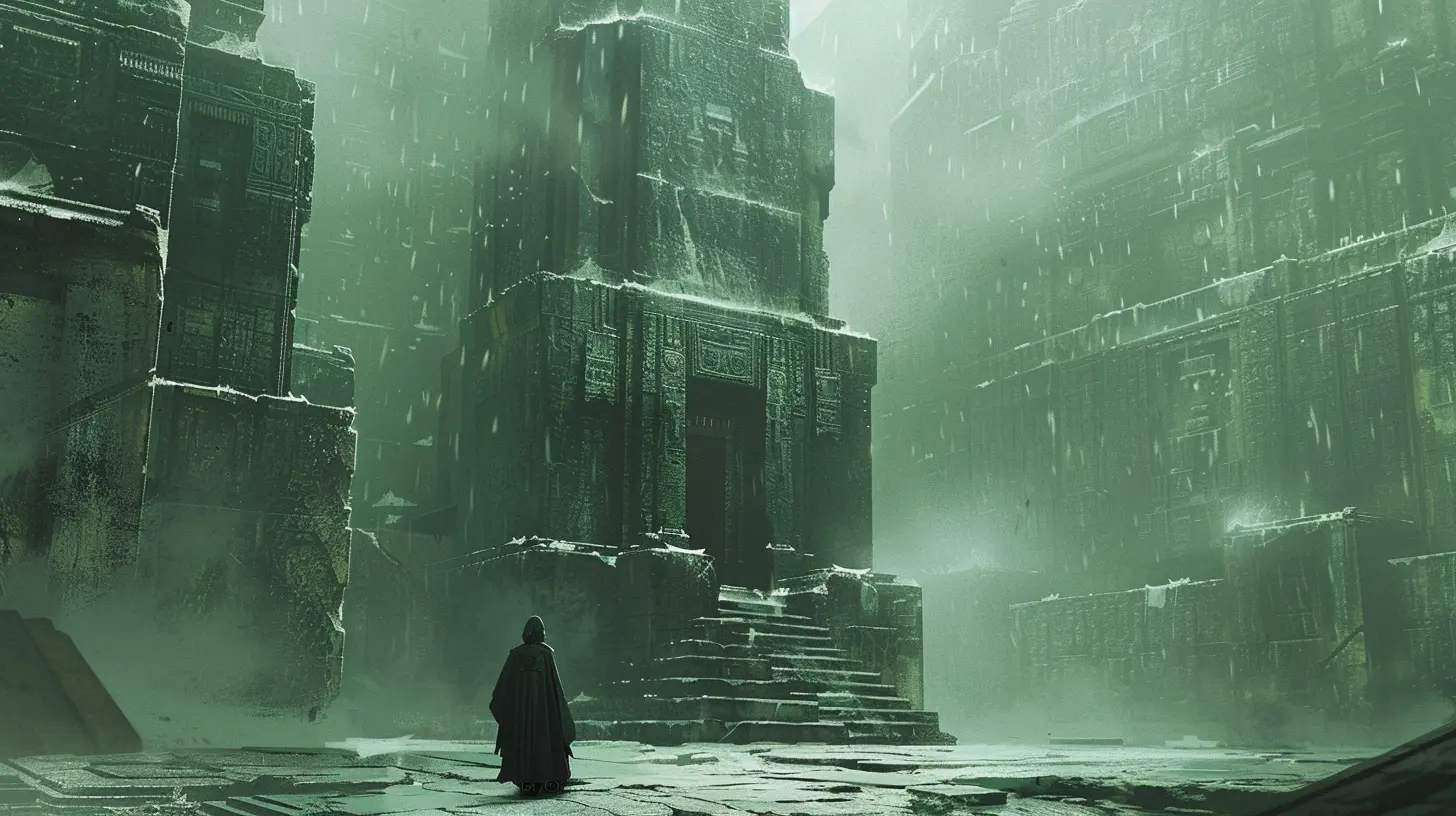
1. The Foundation: Clear Objectives
Every great mission starts with a purpose. And I’m not just talking about vague goals like “save the world” or “kill the bad guys.”Nope. I mean specific, understandable, and achievable objectives.
You know what’s the worst? Starting a mission and immediately wondering, “What the heck am I supposed to be doing?” Clarity is king. Clear mission objectives give players a direction, a reason to move forward, and a sense of purpose.
Even better? When the objective evolves. Start off rescuing a hostage, then boom—plot twist! The hostage is a double agent. Now you’ve got to get out before everything explodes. A dynamic objective keeps players on their toes and deeply engaged.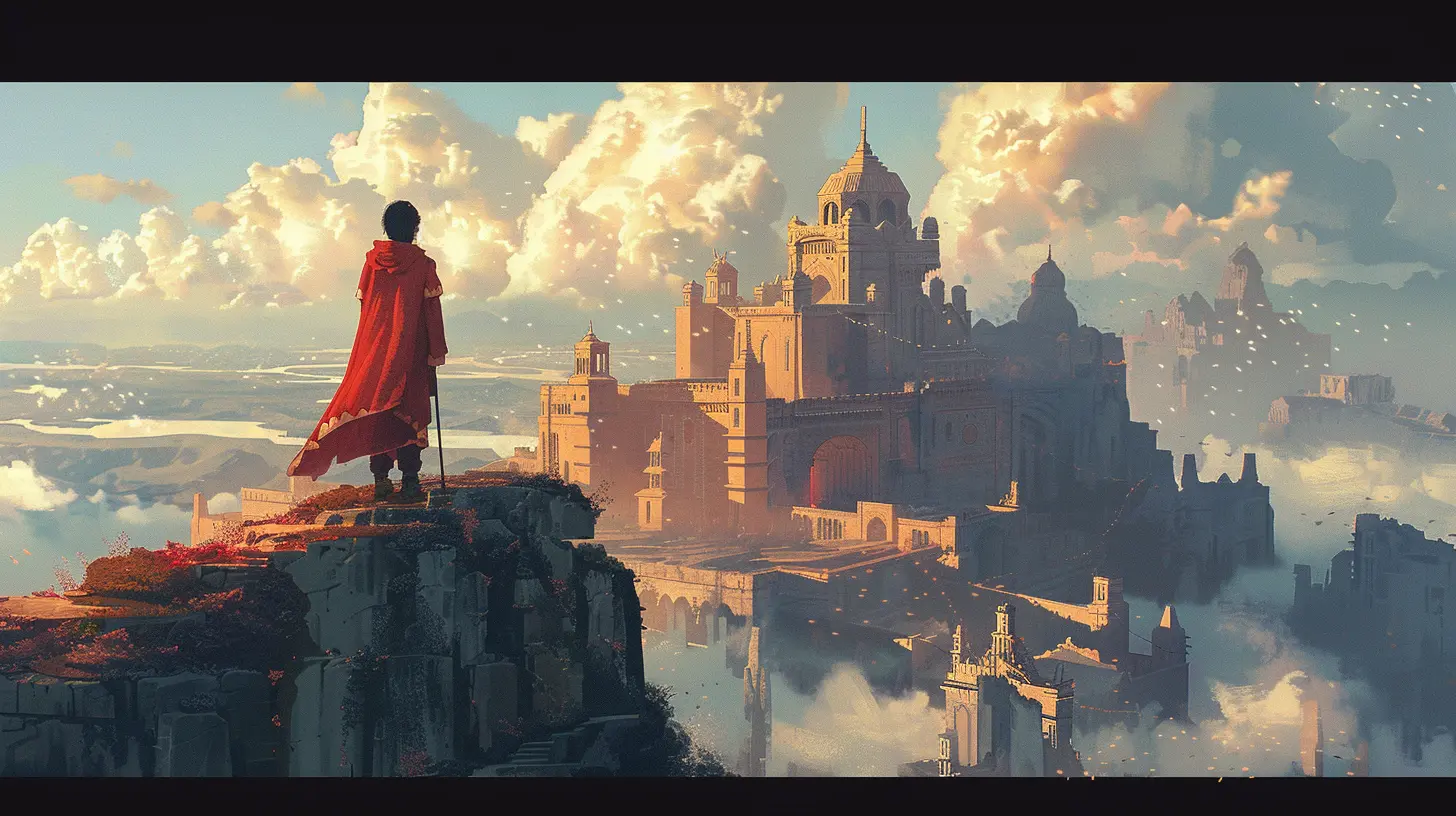
2. The Hook: Setting the Stage
The opening moments of a mission are like the first few pages of a good book. They need to grab attention—fast.This could be:
- A dramatic cutscene.
- A sudden ambush.
- An emotional reveal.
Whatever it is, it needs to pull the player in. Games like The Last of Us Part II and Red Dead Redemption 2 absolutely nail this. They make you feel something before you've even had a chance to press a button.
A strong beginning builds emotional investment. And once players care, they’re in it for the ride.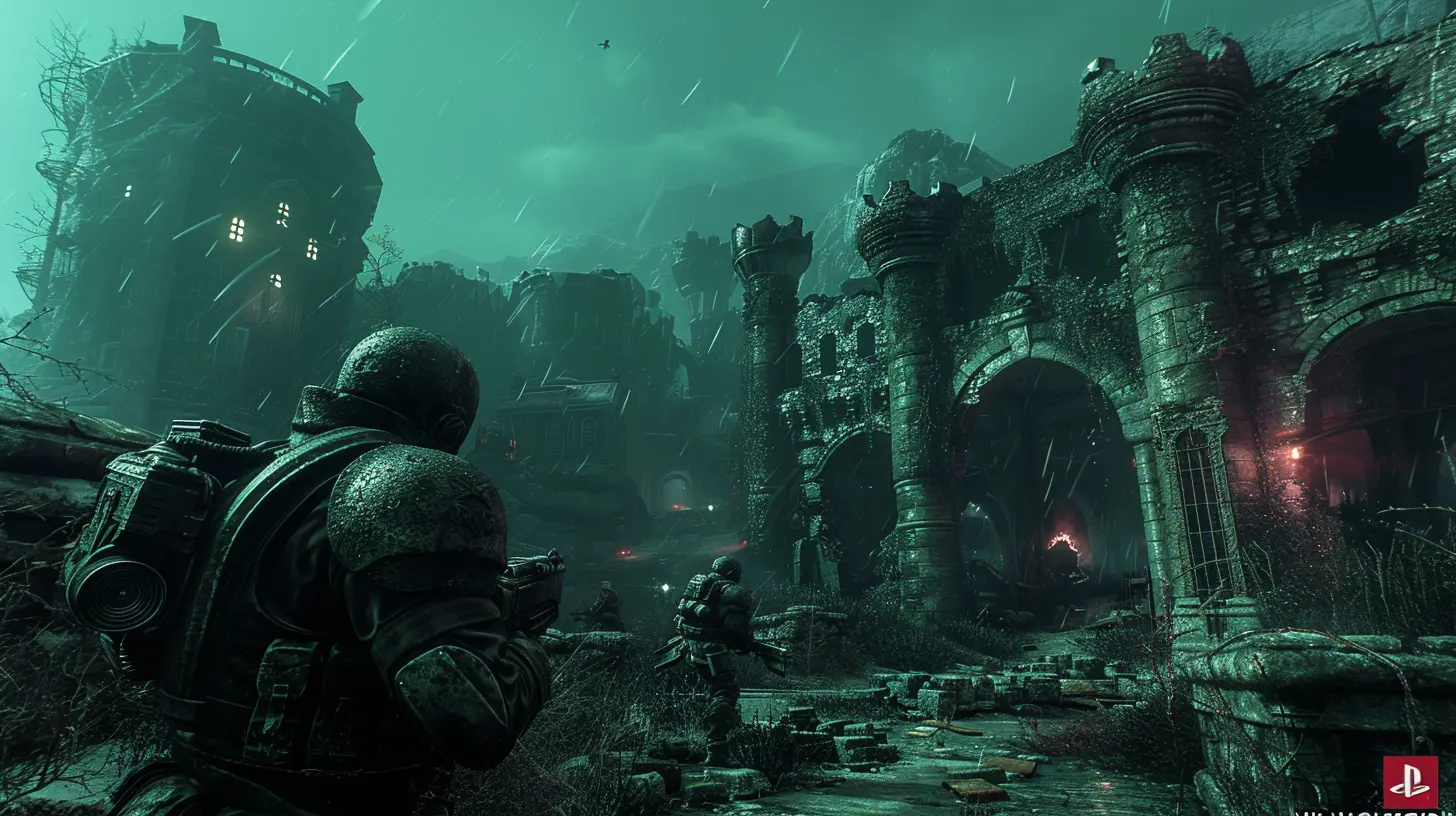
3. The Design: Smart Level Layout
Okay, let’s talk maps. Because if the mission's objective is the “what,” then the level design is the “how.”Great game missions use level layouts to subtly guide you while making it feel like you’re discovering paths on your own. It’s a bit like a magician’s trick—lots of smoke and mirrors, but with a purpose.
Consider:
- Verticality – Encourages exploration and strategy.
- Choke points – Perfect for building tension.
- Multiple paths – Let players feel in control.
Remember how Dishonored lets you sneak across rooftops or go all-out through the front door? That’s player freedom wrapped up in masterful level design. And that freedom makes missions feel personal.
4. Pacing: The Rollercoaster Effect
Ever been in a mission that just drags? Or one that throws so much chaos at you that you can’t think?Pacing is the unsung hero of mission design. A truly great mission builds tension, offers moments of calm, and then hits you with high-stakes action—all in the right order.
It’s like a great rollercoaster. You need the climb before the drop. The anticipation makes the thrill that much sweeter.
Rockstar Games are pacing wizards. Missions often start slow—maybe a quiet ride to a location or some small talk—before cranking things up to eleven with a massive shootout or high-speed chase.
The key? Balance. Give the player time to breathe, then hit them with the next jaw-dropping moment.
5. Player Agency: Choice Matters
Here's a big one. One-size-fits-all missions are becoming a thing of the past. Today, players want to leave their own mark.A mission that allows you to make choices—big or small—feels personal. Whether it’s choosing how to approach a target (Assassin's Creed style), deciding who lives or dies (Mass Effect), or even choosing dialogue, agency empowers the player.
When your decisions have visible consequences, it creates stories unique to you. And isn’t that part of the magic?
6. Emotional Weight: Making You Care
Look, shooting pixels and completing objectives is fun. But emotional impact? That’s where greatness lives.The best missions make you care. Maybe it's helping a troubled companion, or perhaps it’s the final mission where you've watched characters grow through hours of gameplay.
Case in point: The suicide mission in Mass Effect 2. Every decision, every loyalty quest, every upgrade—it all leads up to that one mission. You’re not just playing; you’re invested.
When characters, stakes, and consequences blend, the result sticks with you long after the credits roll.
7. Unique Mechanics: Mixing it Up
Want to keep players on their toes? Throw in a mission with a twist.You know the classic escort mission? Yeah, it’s usually a nightmare. But what if the person you're escorting turns out to be an enemy spy mid-mission? Boom. You’ve added tension and surprise to a tired format.
Games like Bioshock Infinite and Metal Gear Solid V constantly flip expectations. They introduce new mechanics, gameplay styles, or perspectives to shake things up.
It’s this unpredictability that keeps missions fresh and stops gameplay from feeling stale.
8. Narrative Integration: Story + Gameplay
A mission shouldn’t just feel like a gameplay break between cutscenes. The best ones merge story with gameplay seamlessly.Take God of War (2018). Every puzzle, every fight, every journey across the lake ties into the narrative of Kratos and Atreus. You’re not just swinging an axe—you’re building a relationship, unraveling a backstory, and discovering new truths.
Story and gameplay should hold hands, not argue.
9. Rewards That Matter
Let’s be honest—everyone loves loot. But rewards don’t always mean swords and skins.Sometimes the best reward is:
- A revealing cutscene.
- A new ally.
- A massive plot twist.
- A change in the world state.
Games like The Witcher 3 know this well. Complete a mission, and suddenly a village is thriving—or burning—depending on what you did. That’s impact. That makes your choices matter.
Whether it's emotional payoff or in-game items, a great mission ends with a satisfying “yes, that was worth it.”
10. Replayability: The Gift That Keeps Giving
The real secret sauce? Giving players a reason to come back.Maybe there are branching paths to explore, multiple outcomes, or secret objectives. Maybe it's so intense and fun that players just want to replay it for the thrill.
Whatever the reason, great missions have layers. Hidden easter eggs. Dialogue you missed. Alternate strategies you didn’t even consider the first time.
When a mission keeps offering something new each time, it becomes legend.
Final Thoughts: Putting It All Together
So, what’s the anatomy of a truly great video game mission?It’s a careful cocktail of:
- Clear, evolving objectives,
- Smart, intuitive level design,
- Perfectly tuned pacing,
- Emotional connection,
- Gameplay variety,
- Meaningful choice,
- Seamless narrative integration, and
- Satisfying rewards.
Not every mission nails every element—but when one does? It’s unforgettable.
The genius of mission design is that it balances player freedom with narrative direction. It’s not about taking control away but giving players the tools, playground, and purpose to create their own stories inside a crafted experience.
So, next time you boot up your favorite game and dive into that one mission you always talk about—look a little closer. See how it’s built. And appreciate the art behind the adrenaline.
Because behind every button press, there’s a team of designers pulling the strings just right.
all images in this post were generated using AI tools
Category:
Quests And MissionsAuthor:

Lana Johnson
Discussion
rate this article
2 comments
Clover Moore
Understanding the structure of a great video game mission is crucial for both developers and players. It involves balancing narrative, challenge, and player agency. When these elements align, they create memorable experiences that engage players and drive the game's overall impact.
June 28, 2026 at 4:32 AM
Lana Johnson
Absolutely. A well-structured mission can make all the difference in player engagement and satisfaction. Balancing those elements truly enhances the experience.
Uriel McFarland
Great article! I appreciate how you highlighted key elements that make missions memorable. Focusing on character development, pacing, and player choice truly enhances the gaming experience. Looking forward to more insights!
May 10, 2026 at 4:17 AM
Lana Johnson
Thanks for your kind words! I'm glad you found the key elements helpful. More insights are on the way!